

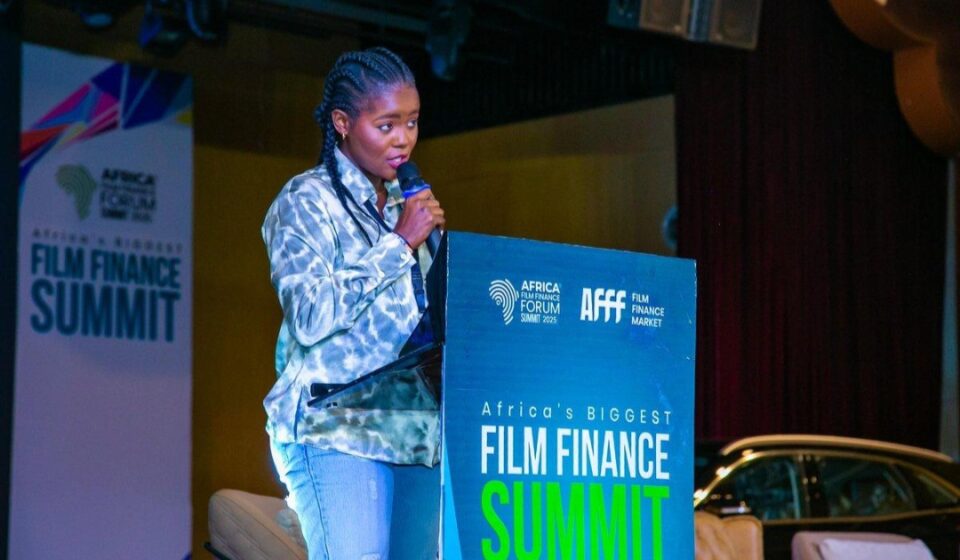

Africa’s film industry is placing an increasingly important question at the centre of its growth: where will the money come from to finance the continent’s next generation of stories?
That question is being discussed this week in Lgagos, Nigeria, where the Africa Film Finance Forum runs from October 5 to 7 as part of Film Week Africa. The forum brings together filmmakers, producers, investors, financial institutions, insurers, policymakers and other industry stakeholders to explore ways of improving access to finance for African film and audiovisual productions.
The event comes at an important time for the continent’s creative economy. African filmmakers have demonstrated their ability to produce stories that attract audiences locally and internationally, but financing remains one of the industry’s structural challenges.Producing a professional film requires significant investment before audiences ever see it.
Costs can include script development, actors, equipment, locations, crew salaries, post-production, marketing and distribution.The Africa Film Finance Forum is therefore focusing on more than simply finding investors. Its programme includes discussions around institutional capital, insurance, credit guarantees, intellectual property, co-production and international distribution.
These issues matter because relying heavily on grants or individual funding sources can limit the number and scale of productions that African filmmakers are able to undertake.The forum is also introducing initiatives aimed at addressing investment risk and improving connections between creative businesses and financial institutions.
One of them, the Africa Film Finance, Insurance and Risk Management Framework, seeks to address concerns surrounding guarantees, insurance and risk management in film production.The discussion is significant beyond Nigeria. A stronger financing system could benefit filmmakers across the continent by creating opportunities for co-productions, international partnerships and larger investments in African stories.It could also create employment beyond actors and directors.
Film productions require editors, cinematographers, sound engineers, designers, technicians, writers, producers and other professionals.Africa’s film industry therefore needs to be viewed not simply as a source of entertainment, but as an economic sector capable of creating businesses and jobs.
As Film Week Africa brings together the people who create films and the people who finance them, the outcome of these conversations could influence how easily African stories move from ideas on paper to productions on screen.The industry’s next challenge is not a shortage of stories. It is building the financial infrastructure capable of bringing more of them to audiences.