

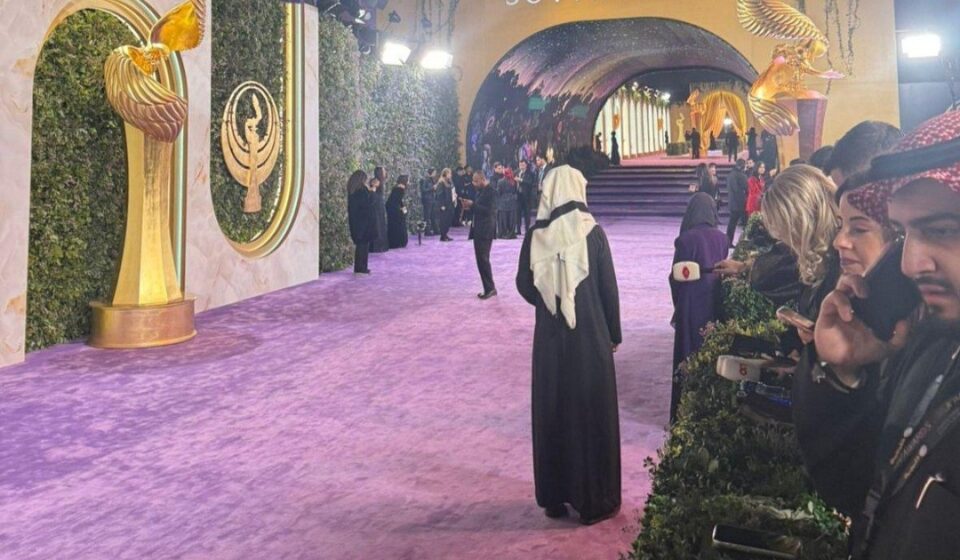

Saudi Arabia’s rapidly expanding entertainment industry is facing an unexpected setback, with next year’s Joy Awards reportedly set to be cancelled as the kingdom reassesses spending amid financial pressures.
The annual ceremony, held in Riyadh, has become one of the region’s biggest entertainment events, attracting international performers and recognising achievements across music, film, television, entertainment and sport.
Reuters reported on October 4 that two people familiar with the matter said the 2027 ceremony would be cancelled. The report noted that the decision comes as Saudi Arabia reassesses spending priorities.
The development is significant because entertainment has become an important part of Saudi Arabia’s wider economic and cultural ambitions. Through Vision 2030, the country has invested heavily in concerts, festivals, cinemas, sporting events and other forms of entertainment as it seeks to diversify its economy and attract tourism.
The reported cancellation therefore raises a broader question about the sustainability of large-scale entertainment investment.Major entertainment events require substantial spending.
Venues, performers, production crews, security, marketing, broadcasting and international partnerships all contribute to the cost. While these events can generate tourism, employment and international attention, they also require long-term financial planning.Saudi Arabia’s experience offers an important lesson for other emerging entertainment markets.
Building a creative economy is not simply about attracting international stars or organising spectacular events. It requires sustainable financial structures that can support the industry even when economic conditions change.The development is also relevant to the wider global entertainment industry.
Governments and private investors are increasingly viewing film, music and live events as potential contributors to economic growth. However, the success of such investments ultimately depends on whether entertainment can develop into an industry with sustainable audiences, businesses, employment and revenue.
For Saudi Arabia, the reported pause does not necessarily mean the end of its entertainment ambitions. Instead, it could mark a period of reassessment over how cultural investment should be structured and where resources should be directed.Saudi Arabia’s rapidly expanding entertainment industry is facing an unexpected setback, with next year’s Joy Awards reportedly set to be cancelled as the kingdom reassesses spending amid financial pressures.
The annual ceremony, held in Riyadh, has become one of the region’s biggest entertainment events, attracting international performers and recognising achievements across music, film, television, entertainment and sport. Reuters reported on October 4 that two people familiar with the matter said the 2027 ceremony would be cancelled.
The report noted that the decision comes as Saudi Arabia reassesses spending priorities.The development is significant because entertainment has become an important part of Saudi Arabia’s wider economic and cultural ambitions. Through Vision 2030, the country has invested heavily in concerts, festivals, cinemas, sporting events and other forms of entertainment as it seeks to diversify its economy and attract tourism.
The reported cancellation therefore raises a broader question about the sustainability of large-scale entertainment investment.Major entertainment events require substantial spending. Venues, performers, production crews, security, marketing, broadcasting and international partnerships all contribute to the cost. While these events can generate tourism, employment and international attention, they also require long-term financial planning.
Saudi Arabia’s experience offers an important lesson for other emerging entertainment markets. Building a creative economy is not simply about attracting international stars or organising spectacular events. It requires sustainable financial structures that can support the industry even when economic conditions change.The development is also relevant to the wider global entertainment industry.
Governments and private investors are increasingly viewing film, music and live events as potential contributors to economic growth. However, the success of such investments ultimately depends on whether entertainment can develop into an industry with sustainable audiences, businesses, employment and revenue.
For Saudi Arabia, the reported pause does not necessarily mean the end of its entertainment ambitions. Instead, it could mark a period of reassessment over how cultural investment should be structured and where resources should be directed.