

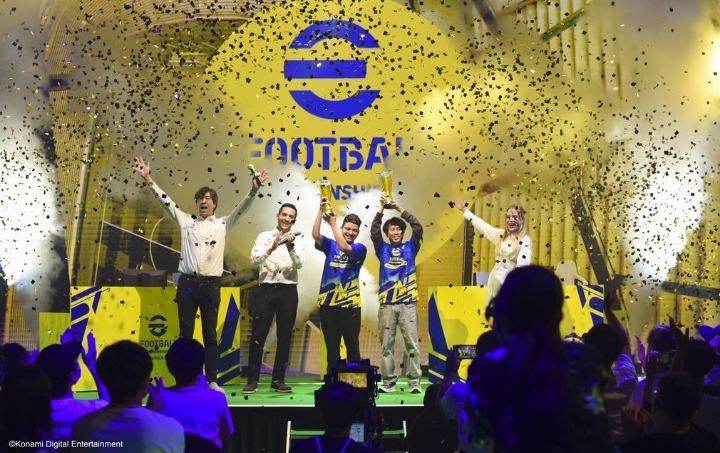

The referee blows the final whistle. The players walk off the pitch, the stadium begins to empty, and the floodlights eventually go dark.
For most people, the match is over.
But for millions of football fans, it is only the beginning.
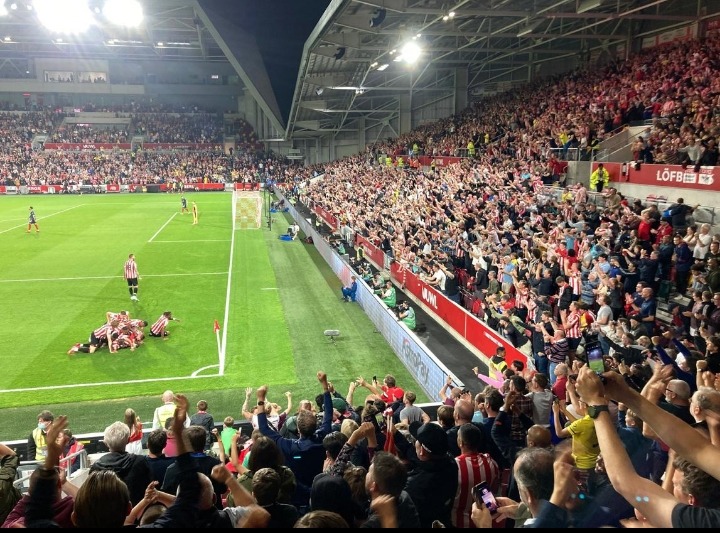
The excitement moves from the stadium to the screen. The boots are replaced by controllers, the pitch becomes digital, and suddenly the fan is no longer watching the game — they are playing it.
Welcome to the world of virtual football.
For many fans, the journey continues through games such as eFootball, Dream League Soccer (DLS), FIFA and EA SPORTS FC, as well as football gaming on PlayStation.
FROM WATCHING TO PLAYING
Football gaming has changed the way fans experience the sport.
Instead of simply watching their favourite players score goals, fans can take control of them. They can choose their teams, make substitutions, change formations, sign players and decide how the match should be played.
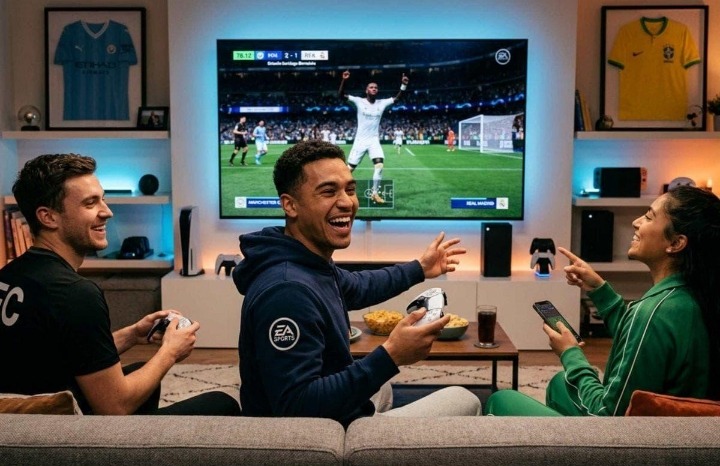
A fan who watched Manchester United lose 2–0 can switch on a game moments later and say, “Let me show them how it should have been done.”
That is where the virtual game becomes personal.
EFOOTBALL: THE GAME AFTER THE GAME
Among the popular choices is eFootball, which allows players to recreate football matches on their screens.
A fan can build a squad, select tactics and compete against other players. The excitement can become surprisingly intense.
A missed chance can produce frustration. A last-minute goal can produce a celebration almost as loud as one in a real stadium.
The difference?
There is no stadium.
There are only screens, controllers and imagination.
DLS: BUILDING YOUR OWN FOOTBALL WORLD
Then there is Dream League Soccer, commonly known as DLS.
For many mobile gamers, DLS offers something different: the opportunity to build and manage a team while also taking control on the pitch.
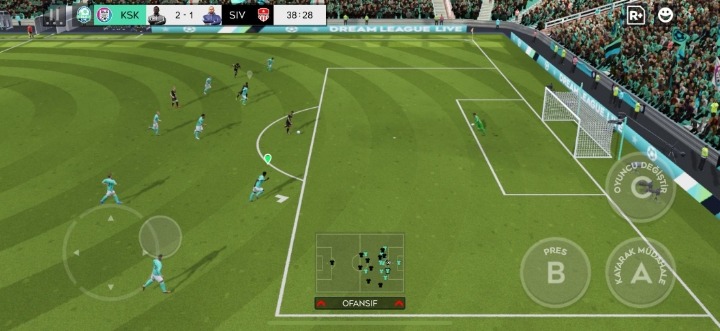
You can recruit players, develop your squad and try to turn an ordinary team into a football powerhouse.
It creates a different relationship between the fan and the game.
You are not just supporting a club.
You are building one.
PLAYSTATION: WHERE FRIENDSHIPS BECOME RIVALRIES
For others, football gaming means PlayStation.
One controller in each hand. Two friends on opposite sides. One match.
Suddenly, a friendly game can become a serious competition.
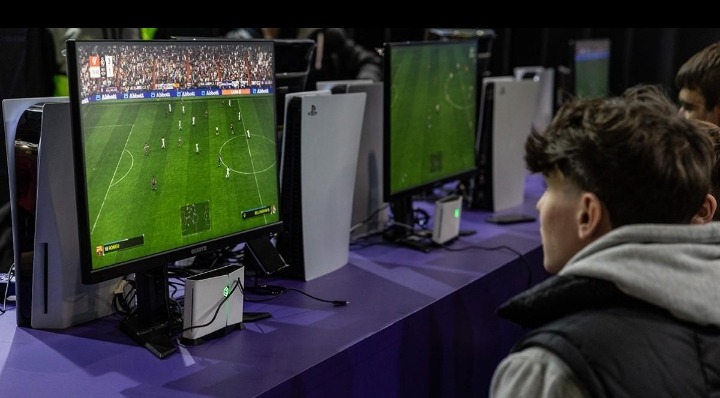
There is the player who celebrates every goal. The one who blames the controller after losing. The one who refuses to accept defeat. And, of course, the one who immediately demands a rematch.
“Best of three?”
That simple question can turn an evening into hours of football.
FROM FIFA TO EA SPORTS FC
For years, FIFA was one of the biggest names in football gaming.
Fans around the world used the game to recreate real football matches, compete with friends and build dream teams.
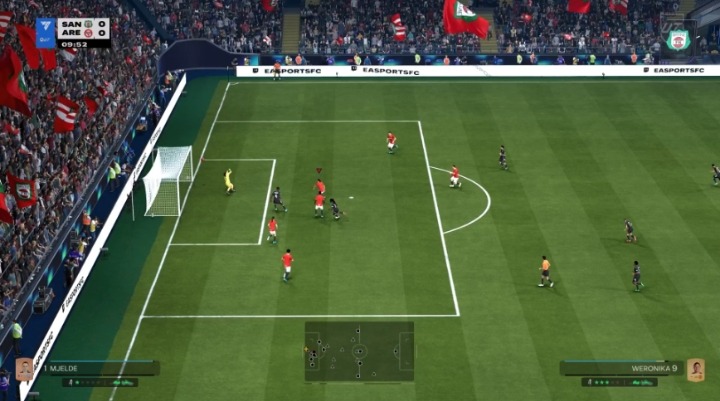
The FIFA name is now no longer attached to EA’s football game, which continues as EA SPORTS FC.
But the idea remains familiar: bringing the football experience from the real pitch into the digital world.
WHEN FANS BECOME MANAGERS
Perhaps that is what makes virtual football so fascinating.
In the real game, a supporter can only watch.
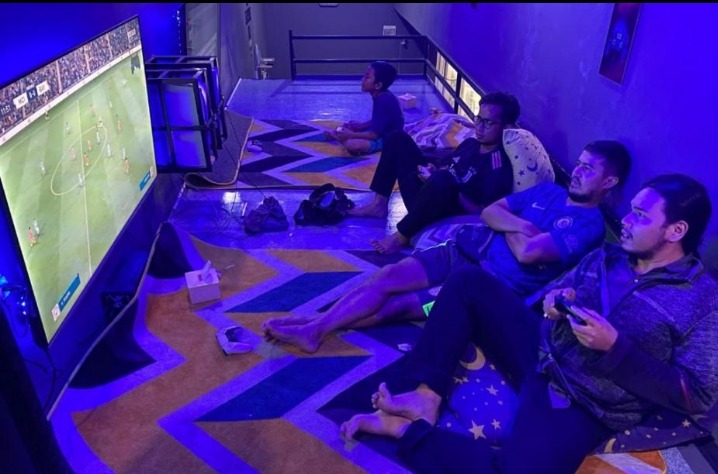
In the virtual game, the supporter can become almost everything.
A player.
A manager.
A coach.
A team builder.
Sometimes even a commentator from the sofa.
You can take a struggling team and transform it into champions. You can sign your favourite player. You can change the formation. You can replay a famous match and rewrite the result.
Football suddenly gives the fan control.
THE SECOND 90 MINUTES
The real match may last 90 minutes, but the virtual version has no such boundary.
A Premier League match can end at 11 p.m., yet by 11:05 p.m., two friends could already be playing their own version of the same football battle.
That is the strange beauty of modern football fandom.
The game no longer belongs only to the players on the pitch.
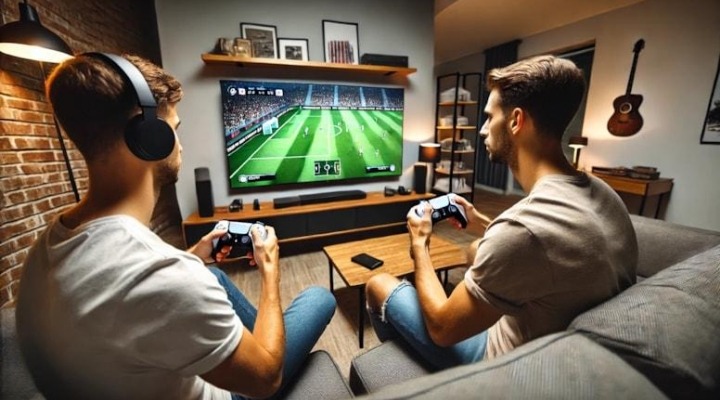
It has entered bedrooms, living rooms, phones, gaming shops and online communities.
The stadium may go silent, but somewhere else, another football match is beginning.
And perhaps that is why football has become more than a sport.
It is something people watch.
Something they discuss.
Something they argue about.
And now, something they can control.
The final whistle may end the match, but it does not necessarily end football. Sometimes, it simply moves the game to another screen.