

The Democratic Republic of Congo’s historic return to the FIFA World Cup has been overshadowed by questions surrounding goalkeeper Lionel Mpasi’s eligibility, placing football’s world governing body under renewed scrutiny.
Mpasi, born in France, represented the country at youth level before switching his international allegiance to DR Congo. Reports published in October 2026 alleged that concerns had emerged over whether the necessary procedures for the switch had been properly completed before he represented the Leopards in World Cup qualifying matches.
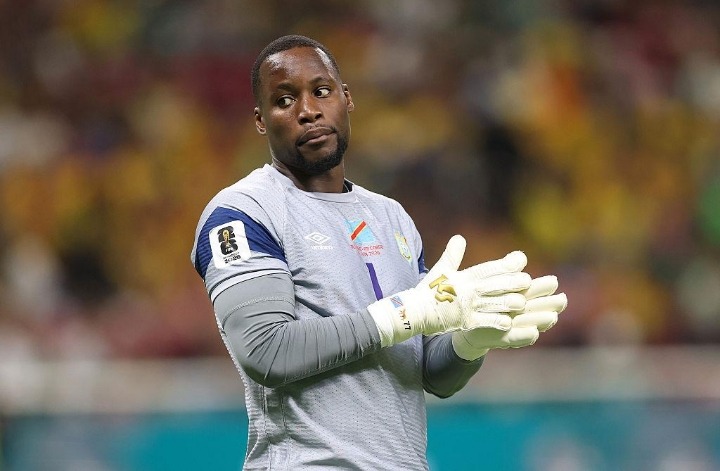
The allegations raised questions about the handling of the player’s international status and whether the matter could have affected DR Congo’s qualification campaign. However, the claims must be distinguished from an official ruling declaring Mpasi ineligible.
The controversy gained wider attention following Nigeria’s challenge after losing to DR Congo in the African World Cup play-offs in November 2025. Nigeria sought to contest the circumstances surrounding the qualification process, but FIFA’s disciplinary committee declared its complaint inadmissible, according to reports on the case.
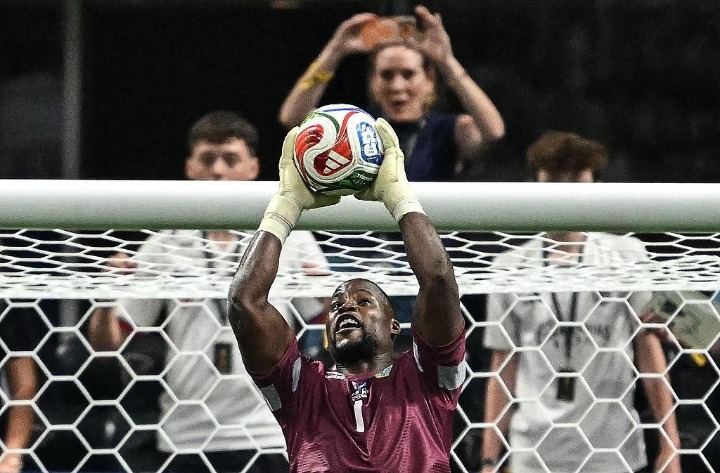
The dispute has fuelled debate about transparency and consistency in international football, particularly when decisions could influence qualification for the sport’s biggest tournament.
International eligibility regulations allow players to change national associations under specific conditions. Those requirements must be satisfied, and the necessary authorisation obtained before a player represents a new country in official competitions. If a player is found to have been ineligible, disciplinary consequences can follow, depending on the circumstances and applicable regulations.
DR Congo eventually secured its place at the 2026 FIFA World Cup after defeating Jamaica in the intercontinental play-off. The achievement marked the country’s return to the tournament for the first time since 1974, when it competed as Zaire.
Despite the team’s success, the eligibility allegations have continued to attract attention. Questions have been raised about what documentation was required, when the international switch was completed and how the matter was handled by football authorities.
FIFA has maintained that there was no eligibility issue affecting DR Congo’s participation in the relevant matches. The reported allegations, therefore, should not be treated as a final ruling overturning the country’s qualification.
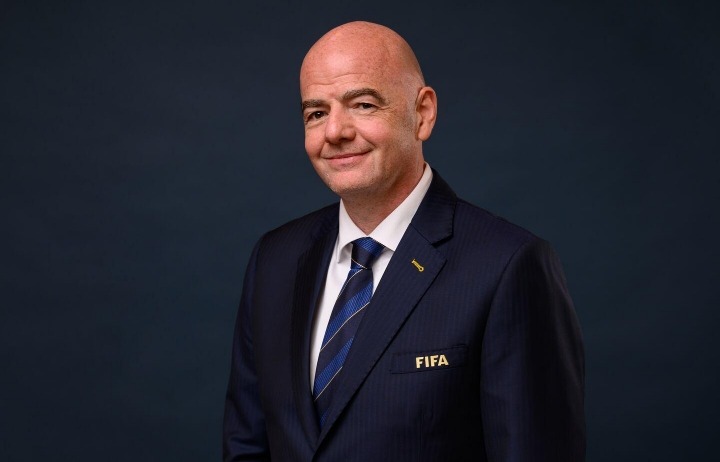
The controversy highlights the importance of transparent decision-making in international football. With World Cup qualification carrying enormous sporting and national significance, football authorities face pressure to explain their decisions clearly and ensure that eligibility rules are applied consistently.
For DR Congo, the priority remains its achievement on the pitch. For FIFA, the case underlines the need to maintain public confidence in the fairness of the qualification process and the independence of its decision-making bodies.