


Kenya could be sitting on an unexpected climate-tech opportunity , turning the carbon dioxide polluting the atmosphere into a business opportunity. But while the world races to develop technologies that remove carbon from the air, the question is whether Kenya can turn its geothermal resources and engineering talent into a global carbon-removal hub.
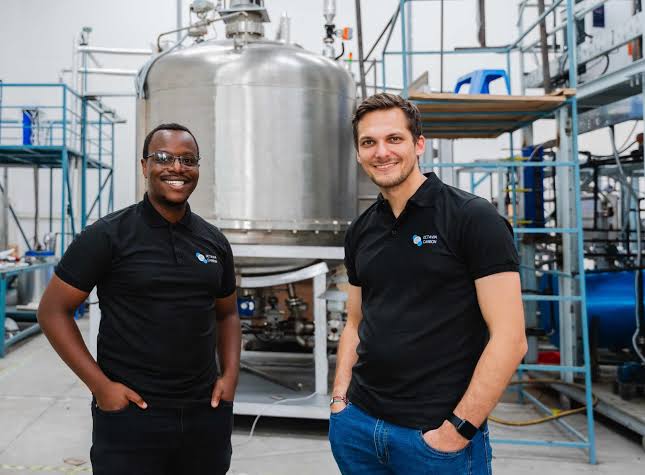
Martin Freimüller, co-founder of climate-tech company Octavia Carbon, believes Kenya has three key advantages that could position it as a leader in direct air capture technology: abundant geothermal energy, favourable geology and a skilled engineering workforce.
Direct air capture (DAC) is a technology that extracts carbon dioxide (CO₂) directly from the atmosphere. The captured gas can then be stored deep underground, potentially keeping it out of the atmosphere for long periods.
The technology is attracting growing global interest as governments and companies explore ways to reduce atmospheric carbon and meet net-zero emissions targets. Unlike conventional carbon-capture systems, which typically trap emissions at industrial facilities before they enter the atmosphere, direct air capture targets carbon dioxide already present in the air.
Kenya’s geothermal energy resources could give it an advantage because direct air capture requires substantial energy to operate. Access to relatively low-carbon electricity and heat could help reduce the emissions associated with running these facilities.
The country’s geology could also support the underground storage of captured carbon, while its engineering talent could contribute to developing and operating the technology locally.
However, turning this potential into a viable industry would require more than natural resources. The cost of capturing carbon, the availability of suitable storage sites, investment in infrastructure and clear regulatory frameworks would all influence whether Kenya could compete in the emerging market.
If these challenges can be addressed, direct air capture could open opportunities for climate-tech investment, specialised employment and the development of new technologies in Kenya.
For now, the prospect of becoming a direct-air-capture hub remains an ambition rather than an established reality. The challenge will be converting Kenya’s geothermal advantage into a commercially viable industry capable of removing carbon at scale.