

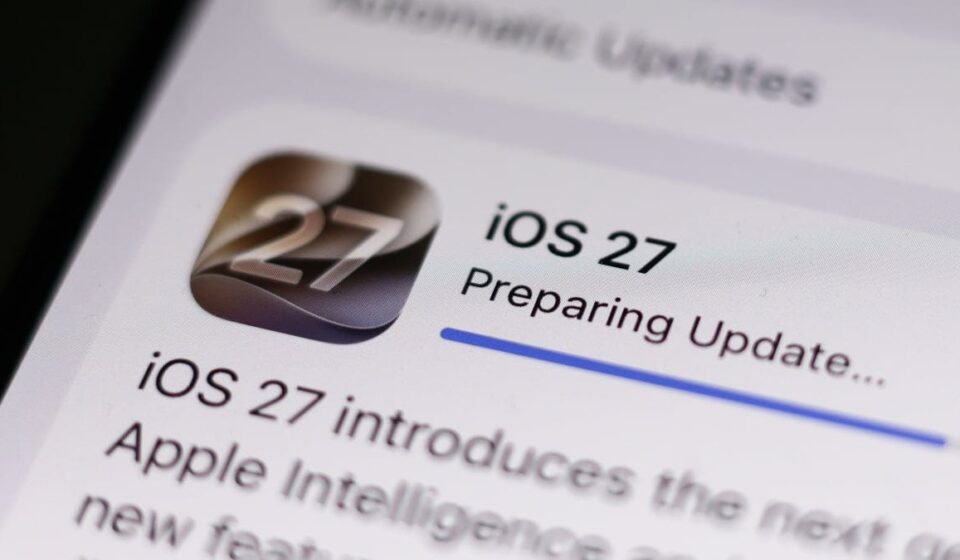

An iPhone software update meant to improve the user experience is reportedly leaving some Kenyans unable to complete M-PESA payments, with affected customers finding themselves stuck at the very moment they need to enter their PINs and authorise transactions.
Some iPhone users who recently upgraded to iOS 27 are reportedly experiencing difficulties with Safaricom’s M-PESA STK Push service, following a software bug that causes devices to become unresponsive when a payment prompt appears.
The issue affects the STK Push feature, which allows businesses to send payment requests directly to customers’ phones. Users are normally required to enter their M-PESA PIN to authorise a transaction before the payment can be completed.
The reported bug freezes the screen when the payment prompt appears, preventing affected users from entering their PINs or proceeding with their transactions.
The disruption could inconvenience customers who depend on STK Push to pay for goods and services at supermarkets, retail outlets and online stores. Since the feature is widely used for cashless transactions, difficulties accessing the payment prompt could leave customers unable to complete purchases through the usual process.
The problem also raises concerns for businesses that rely on mobile payments, particularly those serving customers who prefer to pay through phone-based prompts rather than manually entering payment details.
Safaricom’s M-PESA STK Push system works by sending a payment authorisation request to a customer’s phone after a merchant initiates a transaction. The customer then enters their PIN to approve the payment.
With the reported software issue interrupting this process, affected iPhone users may have to seek alternative payment methods while waiting for a resolution.
However, it remains unclear how many users have been affected, whether the problem is limited to particular iPhone models, or whether Apple or Safaricom has issued an official statement confirming the reported bug.
For now, iPhone users experiencing the problem should avoid repeatedly authorising payments without checking their transaction status, as this can help prevent confusion over whether a payment has gone through.
The situation highlights how software updates can sometimes disrupt essential digital services, leaving users caught between their devices and the payment systems they rely on for everyday transactions.