

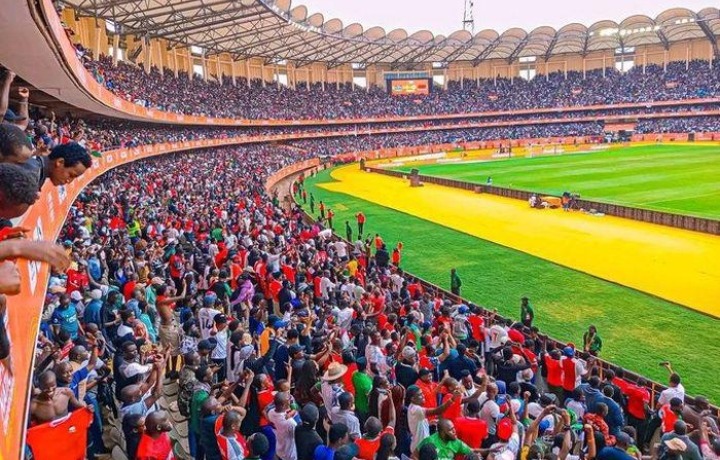

Football fans celebrate international victories, sing their national anthems and watch their countries compete for silverware, but not every trophy represents the same achievement. Africa has CHAN and AFCON, while Europe has the UEFA Nations League and UEFA EURO. Although all four competitions feature national teams, their player eligibility rules, formats and objectives differ significantly. Understanding these differences reveals why a country can win one tournament without necessarily becoming the champion of its continent.
1. CHAN and AFCON
The African Nations Championship (CHAN) and the Africa Cup of Nations (AFCON) are organised by the Confederation of African Football (CAF), but they serve different purposes. The most important distinction is player eligibility: CHAN focuses on footballers playing in their domestic leagues, while AFCON allows countries to select eligible players competing both at home and abroad.
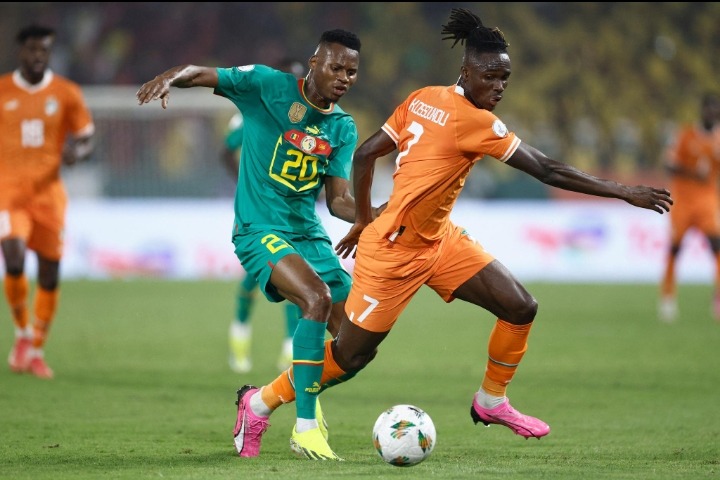
CHAN was introduced to give locally based African footballers an international platform to represent their countries. Its inaugural edition took place in Côte d’Ivoire in 2009, and the competition has since provided domestic-league players with opportunities to demonstrate their abilities against opponents from across the continent. Unlike AFCON, players based abroad are not eligible to participate in CHAN under its domestic-player requirements.
For countries such as Kenya, the tournament provides a valuable opportunity to showcase the quality of their local leagues. Players who might otherwise receive limited international exposure can represent their nations, attract the attention of scouts and potentially secure opportunities with bigger clubs. CHAN also allows coaches to assess domestic talent and build stronger connections between national teams and local competitions.
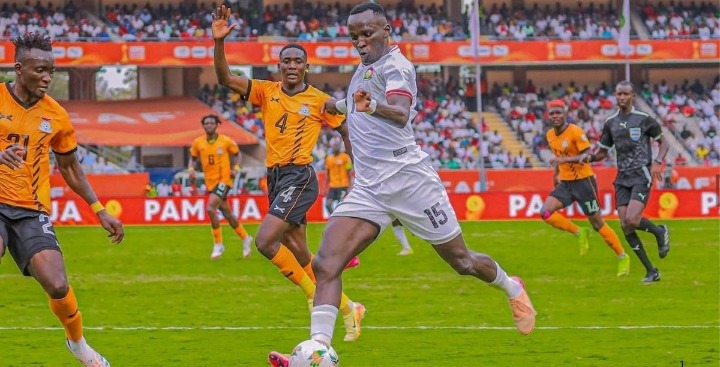
However, CHAN is not simply a tournament for young or inexperienced players. Established professionals can participate as long as they satisfy the competition’s eligibility regulations. What matters most is their eligibility through domestic football, rather than their age or reputation.
AFCON, on the other hand, is Africa’s premier men’s senior national-team championship. First held in 1957, the competition has developed into one of the continent’s biggest sporting events, bringing together national teams featuring eligible players from domestic and international leagues.
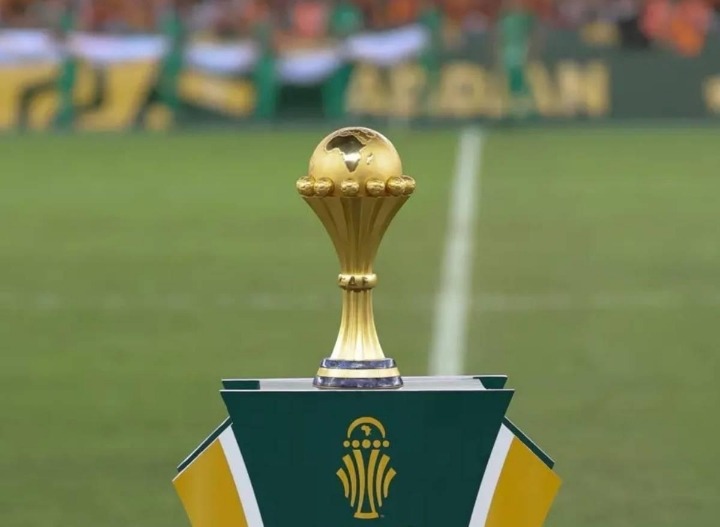
This wider selection pool allows countries to call upon internationally based stars alongside players competing in their home leagues. As a result, AFCON often attracts some of the most recognised African footballers, many of whom play for leading clubs across Europe and other parts of the world.
Teams must qualify for the final tournament, where they compete through a group stage and knockout rounds to determine the African champion. Since the 2019 edition, the men’s AFCON final tournament has featured 24 teams, increasing the number of participating nations compared with earlier formats.
The competition carries significant prestige because winning it establishes a country as the continental champion. It also offers players an opportunity to represent their nations on a major stage, while supporters see their national teams compete for one of African football’s most sought-after trophies.
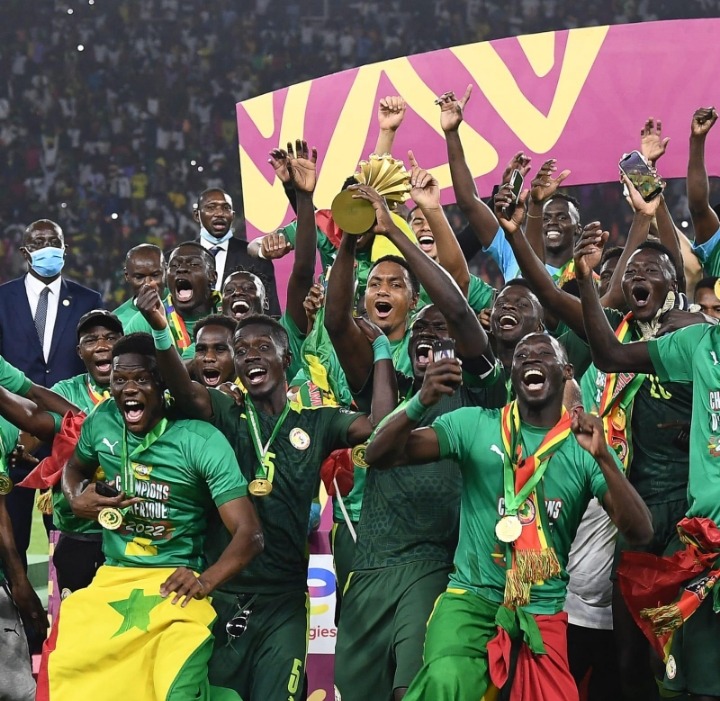
The distinction between the two competitions is therefore clear. CHAN celebrates talent developed and employed in domestic leagues, whereas AFCON brings together a country’s wider pool of eligible senior international players. Both contribute to African football, but success in one does not automatically translate into success in the other.
2. UEFA Nations League and UEFA EURO
European international football also features two major competitions with different objectives: the UEFA Nations League and the UEFA European Championship, commonly known as EURO. Both are organised by the Union of European Football Associations (UEFA), but one focuses on structured competition between national teams throughout the international calendar, while the other determines the European champion.
The UEFA Nations League was introduced in 2018 to replace many international friendly matches with more competitive fixtures. UEFA designed the competition to provide national teams with meaningful matches against opponents of comparable strength, while giving them additional incentives to perform well.
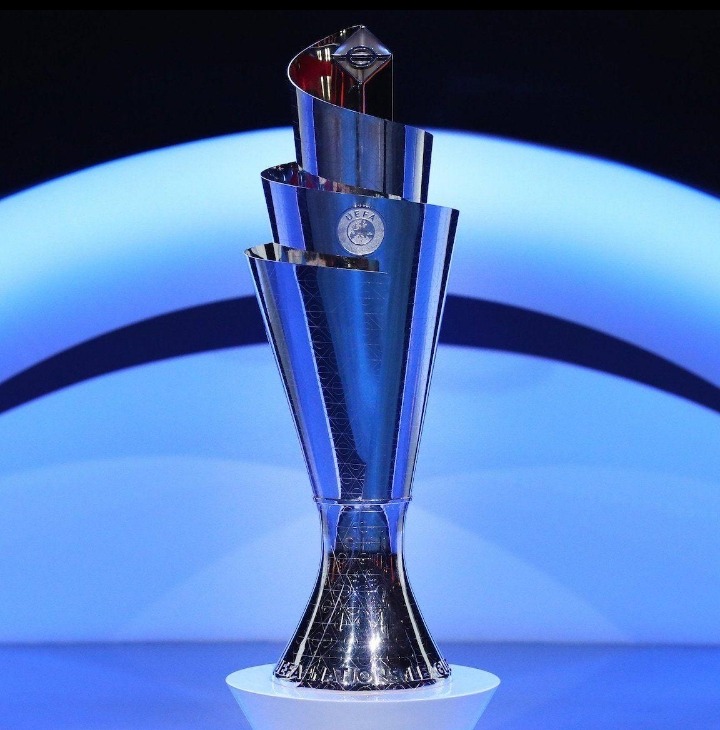
Participating countries are divided into leagues according to the competition’s structure. Teams compete within groups, earning points through their results, with promotion and relegation determining movement between divisions. Strong performances can help a country move into a higher league, while poor results may lead to relegation.
The Nations League also provides a route to a trophy. Under the current format, the leading teams in League A progress through the knockout stage, including quarter-finals and the final four, to determine the eventual winner. Other teams compete for improved standings and opportunities to move between leagues.
The competition has created additional stakes for international fixtures that might previously have been friendlies. Rather than playing matches with no direct tournament consequences, countries now have league positions, promotion prospects and a championship to pursue. The format can also give smaller nations opportunities to compete against teams at a similar level.

EURO, meanwhile, is Europe’s flagship senior men’s national-team championship. First staged in 1960, it brings together the continent’s leading national teams after a qualification process, with the finalists competing for the title of European champion.
Unlike the Nations League, EURO is primarily designed to determine which country is the best national team in Europe at that tournament. Teams compete in qualifying matches to earn places in the final competition, which features a group stage followed by knockout rounds. The tournament has included 24 teams since the 2016 edition.
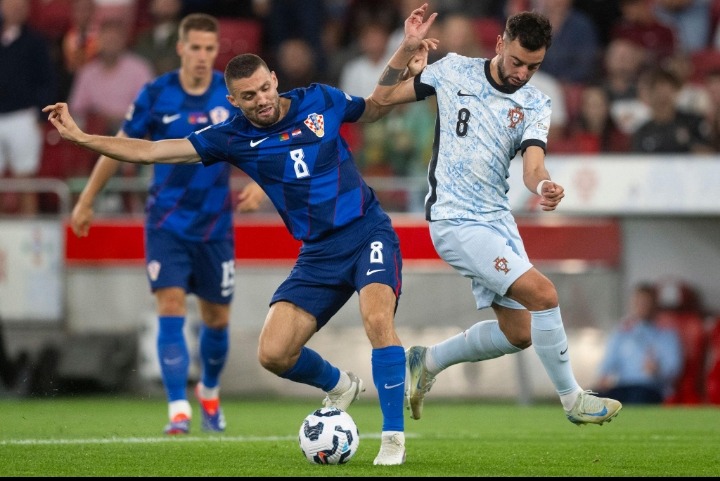
Winning EURO is a major achievement because teams must overcome a highly competitive field to lift the continental trophy. The competition has produced memorable performances from established football powers and underdogs alike, making it one of the most closely followed international tournaments in the sport.
Although performances in the Nations League can affect certain qualification opportunities under applicable UEFA rules, the two competitions remain separate. Winning the Nations League does not automatically make a country European champion; that distinction belongs to the winner of EURO.
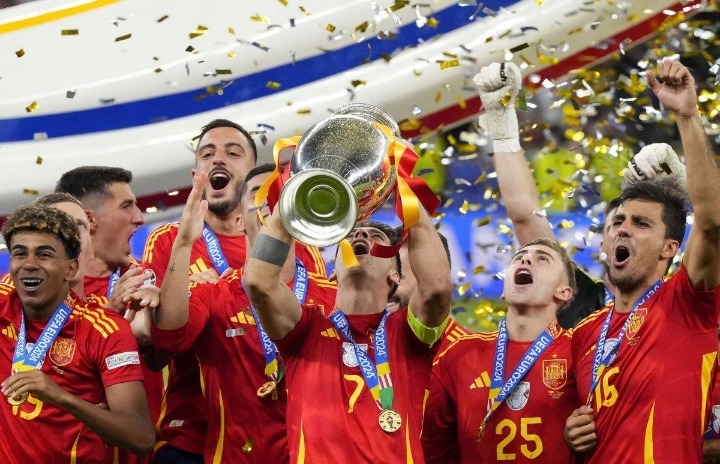
Ultimately, the difference comes down to purpose. The UEFA Nations League provides structured, competitive international football with promotion, relegation and its own title, while EURO crowns the champion of European national-team football. Together, they give countries different opportunities to compete, improve and win international honours.