

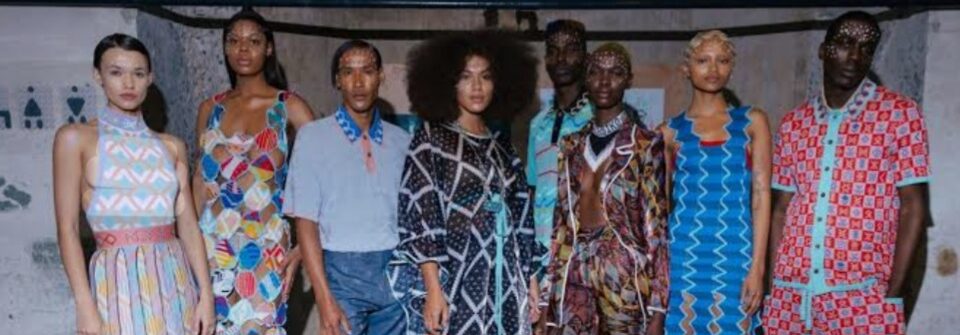

African fashion is gaining a stronger presence in international luxury markets after South African label Maxhosa Africa staged a full runway show on the official Paris Fashion Week calendar.
The collection, presented in Paris on September 28, was created by Maxhosa Africa creative director Laduma Ngxokolo. The show focused on pan-African identity while presenting African design within one of the world’s most influential fashion events. Reuters reported that the label became the first South African brand to stage a full runway show on the official Paris Fashion Week calendar.
The development is significant for the continent’s fashion industry because international fashion weeks provide designers with opportunities to reach buyers, media organisations, retailers and potential investors.
Maxhosa Africa’s approach also demonstrates how cultural identity can be incorporated into commercially focused fashion. The brand is known for its use of knitwear and African-inspired patterns, while its production includes factories in Johannesburg and East London, with wool sourced from South Africa’s Eastern Cape.
Ngxokolo’s Paris presentation therefore goes beyond the runway itself. It demonstrates the potential for African creative businesses to build production systems locally while marketing their products to international consumers.
The move comes as organisations working in Africa’s creative economy increasingly focus on connecting African fashion businesses with international buyers. CANEX, for example, says its fashion initiatives have facilitated access to international buyers, wholesalers, retailers and media.
For African designers, international exposure can create opportunities for partnerships, distribution and brand development. However, maintaining growth requires more than international recognition. Designers also need access to financing, skilled workers, manufacturing infrastructure, intellectual-property protection and reliable international distribution.
The Paris appearance therefore represents a broader development in African fashion: the movement from cultural representation towards internationally competitive creative businesses.
As African designers continue to enter major global fashion platforms, the industry faces the task of ensuring that international visibility develops into sustainable businesses, jobs and stronger creative value chains across the continent.