
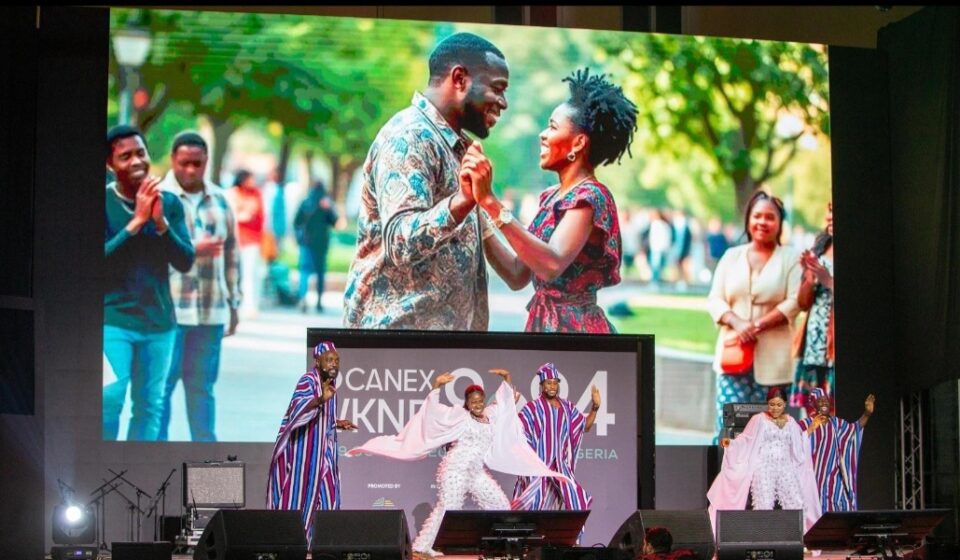

Africa’s creative industries are increasingly being positioned as an important source of trade, investment, employment and international cultural influence, with Nigeria preparing to host the 2026 Creative Africa Nexus Weekend (CANEX WKND).
The event, organised by the African Export-Import Bank (Afreximbank), will bring together creatives, investors, policymakers and industry leaders from Africa, the Caribbean and the diaspora in Lagos from November 5 to 8. The programme will cover sectors including film, music, fashion, literature, visual arts, gastronomy and sports.
Nigeria’s government is presenting the gathering as an opportunity to strengthen the country’s creative economy and increase the ability of creative businesses to access international markets, investment and export opportunities. Current discussions around the event have also highlighted financing, intellectual-property protection and market access as important issues for creative businesses.
For African creatives, the significance extends beyond performances and exhibitions. Creative products such as films, music, fashion designs, books and digital content can cross borders and generate income when creators have access to distribution networks, financing and international buyers.
CANEX says its 2026 programme will provide business-to-business and business-to-government opportunities, allowing creative professionals to develop partnerships and explore investment opportunities across the continent and internationally.
The development reflects a wider shift in how Africa’s entertainment and cultural sectors are being viewed. Instead of treating creativity only as cultural expression, governments and financial institutions are increasingly examining how creative businesses can contribute to economic activity.
The challenge, however, is ensuring that increased international exposure translates into sustainable opportunities for creators. Access to finance, intellectual-property protection, professional infrastructure and reliable distribution remain important to turning creative ideas into commercially viable businesses.
As African music, film, fashion and digital content continue to attract international attention, the emerging question is no longer simply whether Africa has creative talent, but how effectively that talent can participate in global markets.