
Dolly Parton’s life was a remarkable journey from a humble childhood in the mountains of Tennessee to becoming one of the most recognisable entertainers in the world.
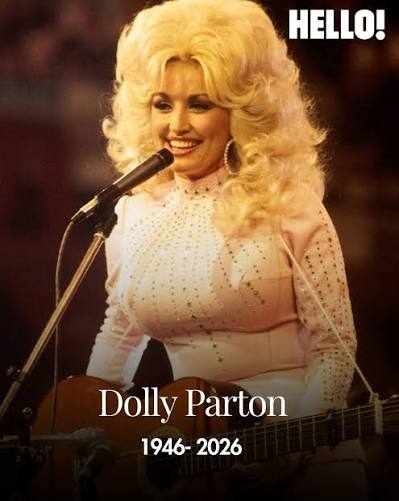
Born into a large family of 12 children, Parton grew up in poverty in a small cabin in the Great Smoky Mountains. Music became an escape and eventually her pathway to a life far beyond what her childhood circumstances could have suggested.
From those modest beginnings, she built a career spanning nearly six decades, becoming a celebrated singer, songwriter, actress, businesswoman and philanthropist. Her distinctive voice, towering blonde hair, rhinestone-covered outfits and larger-than-life personality made her instantly recognisable across generations.
But behind the glamour was a woman who never forgot where she came from.
The songwriter behind unforgettable hits
Parton wrote thousands of songs during her career, including “Jolene,” “9 to 5” and “I Will Always Love You.”
“I Will Always Love You” became one of the defining songs of her career. Parton wrote and originally recorded the song in 1973 as she prepared to leave The Porter Wagoner Show and pursue her own career.
Nearly two decades later, Whitney Houston recorded the song for The Bodyguard. Houston’s powerful rendition transformed the country ballad into a global pop phenomenon and introduced Parton’s songwriting to an entirely new generation.
Rather than being overshadowed by Houston’s version, Parton embraced its success, recognising the extraordinary impact the recording had on her own song.
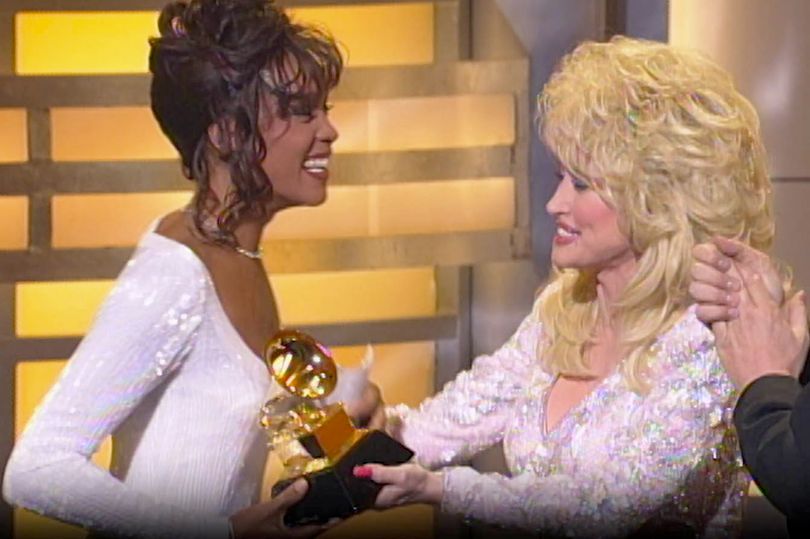
Family always remained important
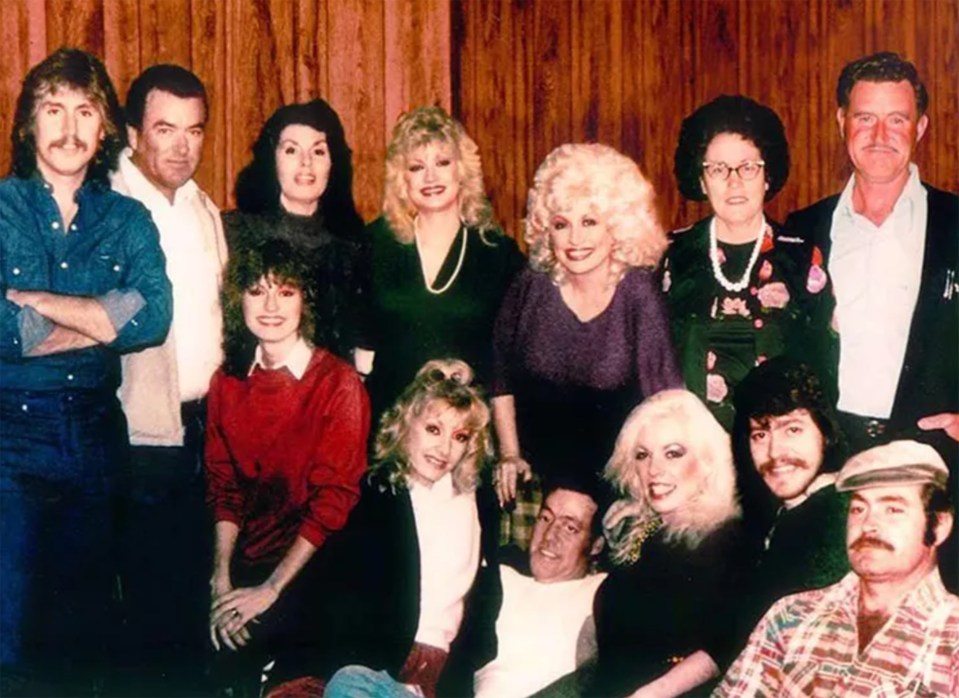
Parton’s success never erased her connection to her family. She was the fourth of 12 children born to Robert Lee Parton and Avie Lee Parton, and her upbringing in a large, close-knit family heavily influenced her music and values.
Although Dolly and her husband Carl Dean did not have children of their own, she remained deeply involved with her extended family. Her nieces and nephews were an important part of her life, and she was affectionately known within the family as “Aunt Granny.”
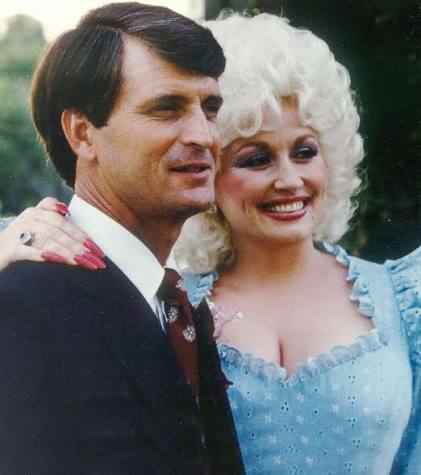
Her decision not to have children never prevented her from developing strong maternal relationships with younger people around her.
Her special bond with Miley Cyrus
Perhaps the most famous of those relationships was with Miley Cyrus, whom Parton became godmother to in the early 1990s after Miley’s father, Billy Ray Cyrus, asked her to take on the role.
Their relationship grew into both a family bond and a musical partnership. Parton appeared on Hannah Montana, performed with Cyrus on several occasions and collaborated with her on music, including a version of Cyrus’ “Wrecking Ball.”
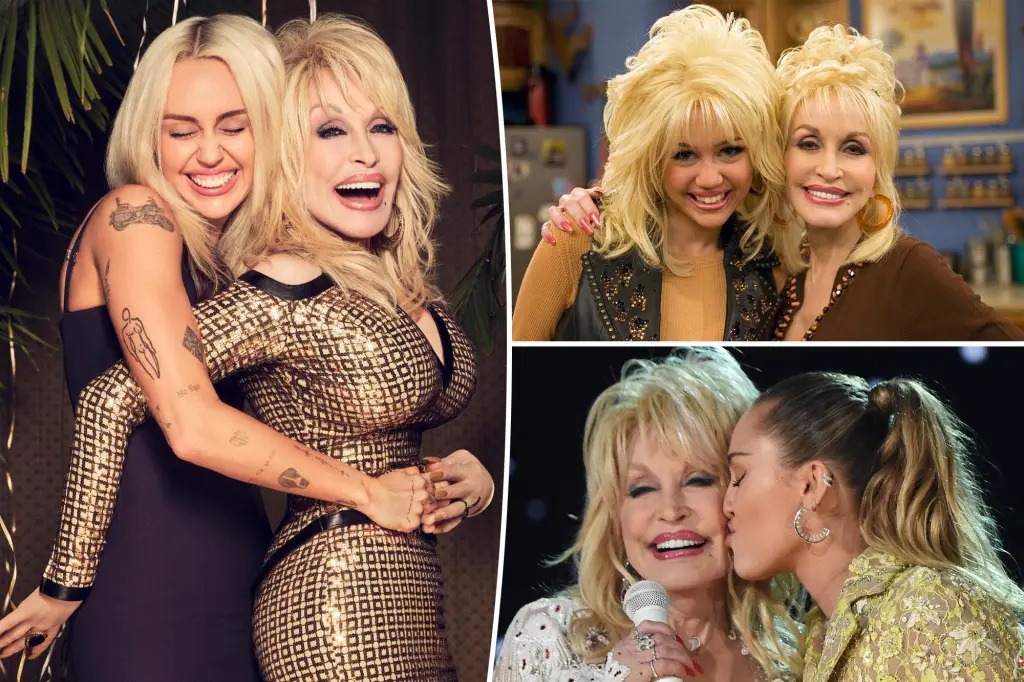
Cyrus often described Parton as a mentor and mother figure, while Parton proudly supported her goddaughter’s career.
Following Parton’s death, Cyrus remembered her as “Aunt Dolly,” reflecting the deeply personal relationship they shared.
Friendships that crossed generations
Parton’s circle of friends and collaborators was equally remarkable. She developed enduring relationships with stars including Kenny Rogers, Willie Nelson, Jane Fonda, Lily Tomlin, Cyndi Lauper and Whitney Houston, among many others.
Her friendship with Rogers became particularly memorable, with the two sharing a long musical partnership and performing together on some of country music’s biggest stages.
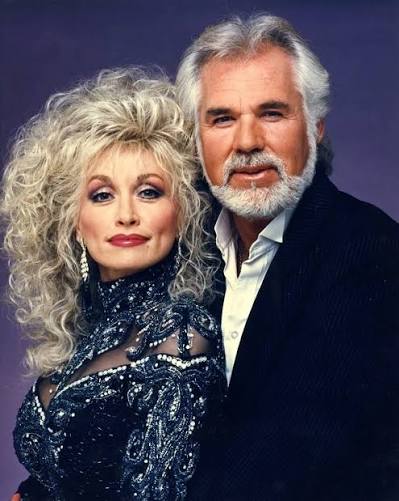
Cyndi Lauper also remembered Parton as a great role model, saying she often asked herself, “What would Dolly do?”
These relationships reflected something central to Parton’s appeal: despite her extraordinary fame, she was widely remembered for her warmth, humour and generosity.
A life that continued to inspire despite illness
Parton’s final chapter came after a brief battle with cancer. Her representatives confirmed that she died at the age of 80 after facing the illness, although details about the specific type of cancer were not publicly disclosed. She died surrounded by loved ones.
Even as she dealt with health challenges, Parton continued working on projects connected to her legacy, including a Broadway musical about her life and a museum celebrating her career.
A legacy bigger than the stage
Parton’s influence extended far beyond music. Through her Imagination Library, she helped provide hundreds of millions of books to children, while her philanthropic work touched education, healthcare and communities across the United States.
She also donated $1 million toward COVID-19 vaccine research at Vanderbilt University Medical Center, with the research later contributing to the development of Moderna’s vaccine.
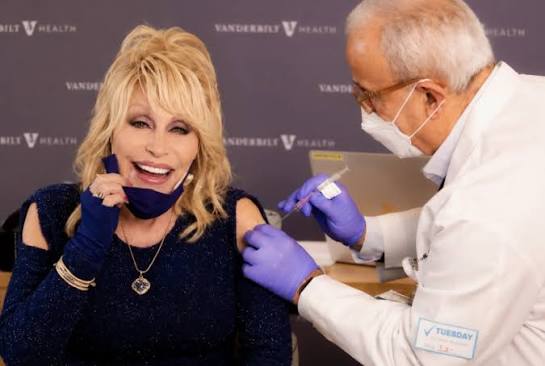
Her story is therefore not simply that of a country singer who became famous. It is the story of a girl raised in poverty who transformed her talent and determination into a global cultural legacy.
A world remembers Dolly
The tributes following her death have reflected the extraordinary reach of her influence. Artists, politicians, friends and fans have remembered her music, humour, generosity and ability to make people feel connected.
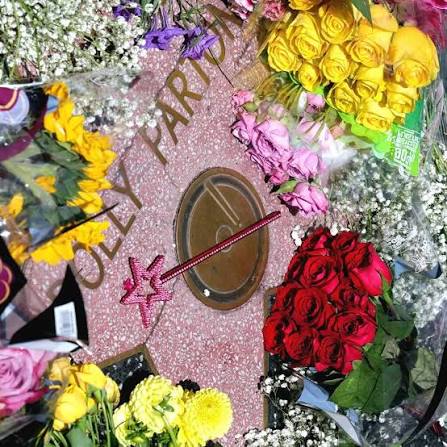
Fans gathered around her star on the Hollywood Walk of Fame, while tributes were also held across the United States.
Flags were lowered to half-staff in her honour.
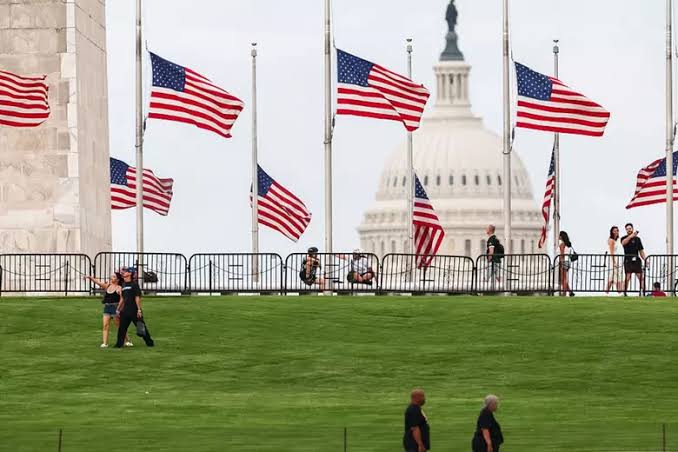
While landmarks were illuminated as the country remembered one of its most beloved entertainers.
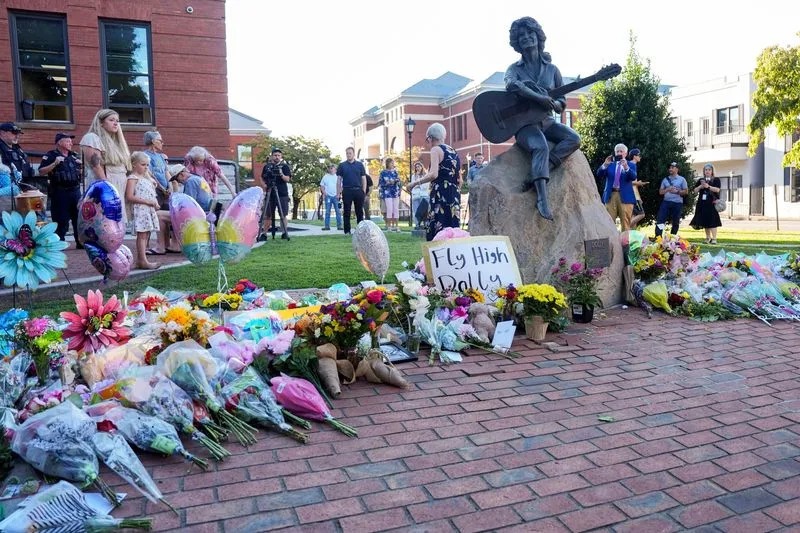
Google also honoured Parton with a special tribute featuring the message “We Will Always Love You,” a poignant reference to the song she wrote and which Whitney Houston later made globally famous.
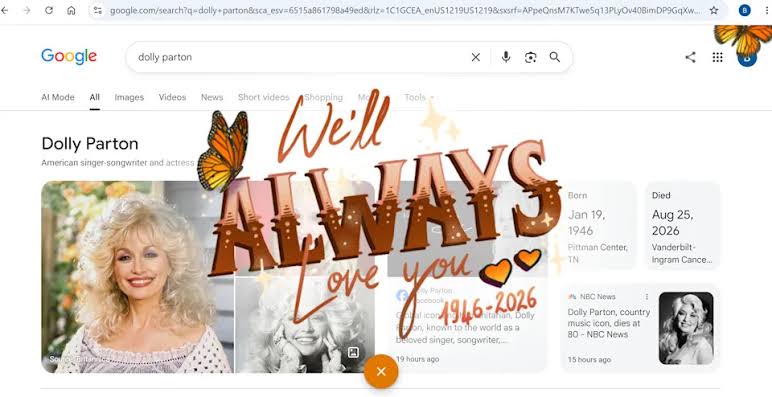
From a small mountain cabin to the biggest stages in the world, Dolly Parton’s journey was defined by ambition, resilience and an extraordinary ability to turn personal experiences into music that connected with millions.
Her rhinestones made her sparkle. Her songs made her famous. But it was her roots, generosity, relationships and determination to remain authentically Dolly that made her a global icon.
