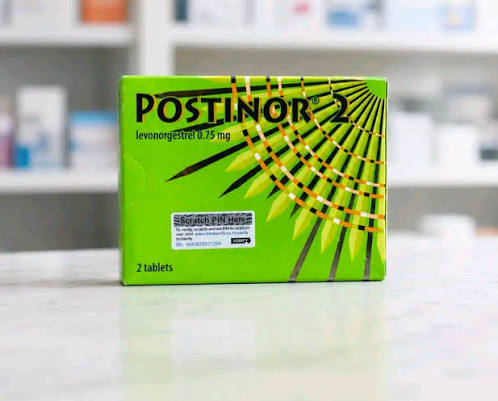


The Pharmacy and Poisons Board (PPB) has warned Kenyans about the circulation of falsified Postinor-2 emergency contraceptive pills in the local market.
The regulator said levonorgestrel 0.75mg tablets bearing batch number T34197R had been detected and were being falsely marketed as genuine Postinor-2.
This batch of falsified Postinor-2 may contain incorrect amounts of the active ingredient, no active ingredient at all, harmful contaminants, or undeclared substances, and therefore may not provide the intended therapeutic effect,” the Board said.
The falsified pills were identified through the Board’s post-marketing surveillance programme, which monitors health products circulating in the Kenyan market.
According to the regulator, a comparison between the suspected falsified tablets and genuine Postinor-2 revealed several differences.
These included the method used to print the batch number, printing and typographical errors on the Patient Information Leaflet and differences in the carton sealing method.
The Board also noted that the orange colour used on the brand name and other parts of the packaging was significantly more intense than that of the genuine product.
It further found that the font of the logo revealed after scratching the authentication panel differed from that on genuine Postinor-2 packaging.
The regulator said the differences strongly indicated that batch T34197R was falsified and had not been manufactured or released as a genuine product.
This falsified product was found in circulation in the Kenyan market,” the Board said.
The agency has since arrested two people found in possession of the falsified pills as multi-agency investigations continue to establish their source, point of entry into Kenya and the extent of their distribution.
The Board said it would take regulatory and legal action against individuals involved in the manufacture, importation, distribution or supply of falsified health products.
It has also urged healthcare professionals to verify the authenticity of their stocks before dispensing medicines and to quarantine any suspected falsified products.
Procurement agencies, hospitals, distributors, pharmacists, pharmaceutical technologists and members of the public have been urged to immediately report any encounter with the affected batch.
The regulator further advised stakeholders to obtain medicines and other health products only from licensed manufacturers, importers, distributors and retailers.
Procuring from unlicensed sources endangers patients and constitutes a violation of the Pharmacy and Poisons Act, Cap 244 of the Laws of Kenya,” the Board said.