

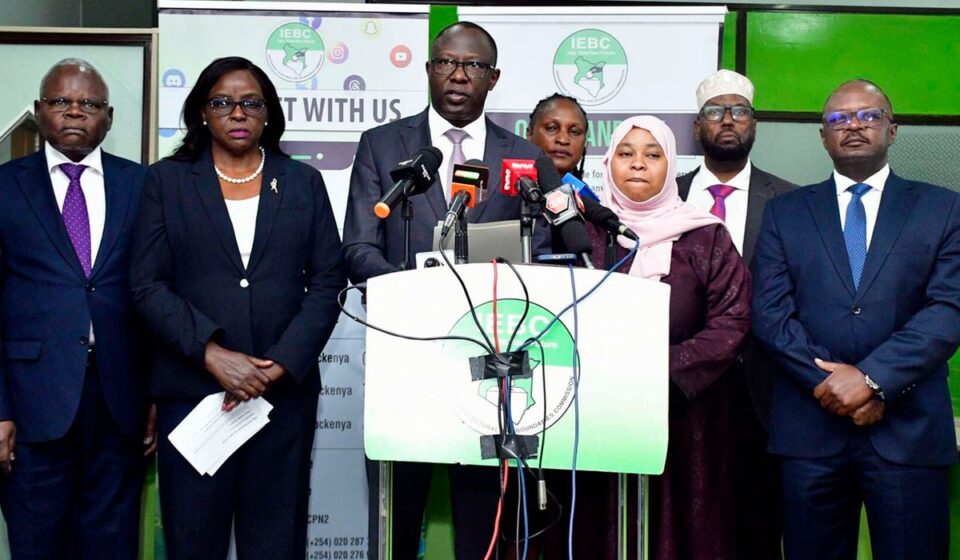

The Independent Electoral and Boundaries Commission, IEBC, has intensified preparations for the 2027 General Election, setting out key timelines and financial regulations that political parties and candidates will be required to follow ahead of the polls.
The preparations come exactly one year before Kenyans are scheduled to return to the ballot on August 10, 2027, with political parties already positioning themselves for what is expected to be a highly competitive election.
The electoral commission has outlined timelines covering various stages of the electoral process, including campaign financing, nominations, submission of expenditure reports and possible election petitions.
One of the key issues is campaign financing, with the IEBC expected to enforce limits on how much candidates and political parties can spend during the election period.
Presidential candidates are facing a campaign expenditure ceiling of approximately 6.1 billion shillings, while political parties have a combined spending limit of about 24.45 billion shillings.
The commission says the regulations are intended to promote transparency and accountability in the electoral process and prevent excessive use of money during campaigns.The IEBC has also set deadlines for candidates and political parties to submit financial reports, allowing the commission to monitor campaign expenditure before and after the election.However, the commission’s preparations are taking place amid concerns over funding.
The electoral agency faces a 33.5-billion-shilling funding gap, after the National Treasury allocated approximately 41.3 billion shillings against the IEBC’s request for 74.8 billion shillings.
The funding concerns have raised questions over whether the commission will have adequate resources to conduct voter registration, voter education, logistics, technology and other preparations required for the 2027 polls.
The commission has maintained that adequate funding is essential for effective preparation and the successful conduct of the elections.
The electoral preparations are also unfolding against a backdrop of political tension, with opposition leaders including former Deputy President Rigathi Gachagua repeatedly questioning the independence of electoral institutions.
Gachagua recently accused some IEBC commissioners of being too close to the government, claiming:“IEBC commissioners are dining with the state to procure and deliver unfair, predetermined by-election results in favour of the ruling party.”
The allegations have increased scrutiny on the electoral body as it prepares for the 2027 polls.The IEBC will now have to balance preparations for the election with demands for transparency, adequate funding and public confidence in the electoral process.
With exactly one year remaining before the August 10, 2027 General Election, the commission’s ability to meet its timelines and secure the necessary resources will be critical to ensuring a credible and peaceful election.
The countdown to the 2027 polls has therefore officially entered its final year, with the IEBC, political parties and potential candidates now under increasing pressure to comply with the electoral calendar.