

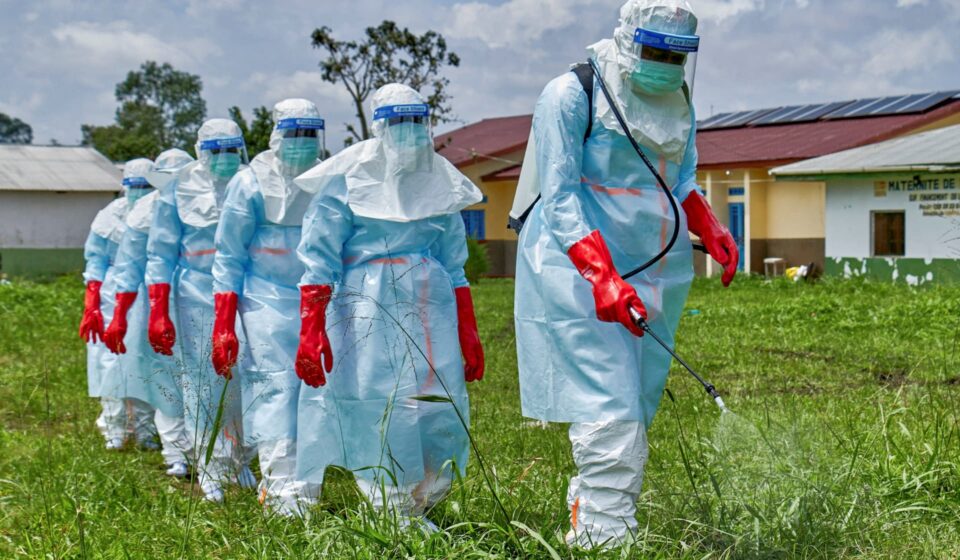

The World Health Organization (WHO) has reassured Kenyans that there is no evidence of an ongoing Ebola outbreak in the country following the confirmation of an imported case.
WHO Kenya’s Head of Health Emergencies, Dr Martins Chibueze, said individuals who developed symptoms and underwent testing returned negative results, easing concerns about the possible spread of the deadly virus.
Health authorities are continuing to monitor the situation through contact tracing and disease surveillance to identify and manage any potential transmission. These measures aim to prevent further infections and ensure that suspected cases are detected and investigated promptly.
Ebola is a severe viral disease that can cause symptoms such as fever, fatigue, muscle pain, vomiting and diarrhoea. In severe cases, the disease can lead to internal and external bleeding and may be fatal without appropriate medical care.The virus can spread through direct contact with the blood or other bodily fluids of an infected person who is showing symptoms, as well as contaminated objects.
Early detection, isolation of suspected cases and proper infection prevention measures are essential in controlling its spread.The confirmation of an imported case does not automatically mean that an outbreak is occurring in the country. However, health officials must remain vigilant to prevent possible transmission and protect the public.
The WHO continues to work with Kenyan health authorities to strengthen surveillance, monitor individuals who may have been exposed and provide guidance on appropriate public health measures.
Members of the public are encouraged to follow official updates from the Ministry of Health and the WHO, practise good hygiene and seek medical attention if they develop symptoms after a possible exposure.
Despite the reported negative test results among symptomatic individuals, health authorities are continuing their monitoring efforts to ensure that any potential threat is addressed promptly.