

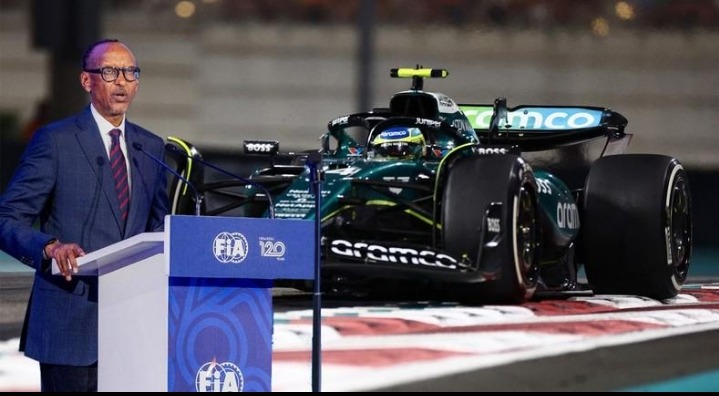

Rwanda has secured a 10-year agreement to host Formula One in the early 2030s, marking a major step towards the return of the championship to Africa for the first time since 1993.
The agreement provides for a purpose-built circuit in Bugesera, approximately 40 kilometres south of Kigali, near the country’s planned new international airport. However, the exact date of the first race has not been confirmed, and the circuit must still be developed and meet international safety requirements.
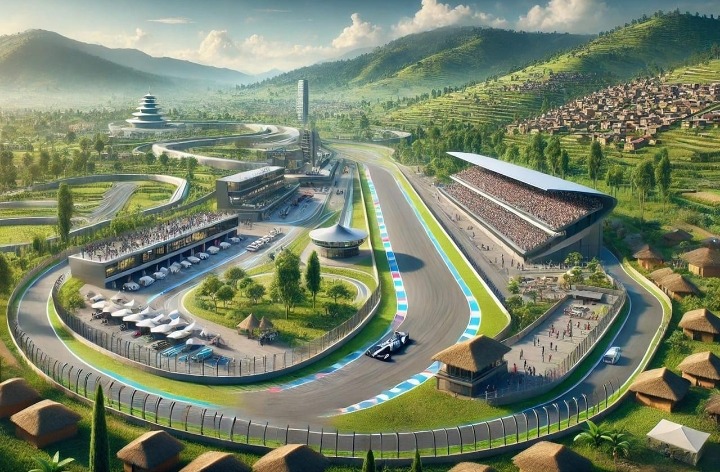
The deal is a major boost to Rwanda’s ambitions to attract international investment, expand tourism and establish itself as a destination for major sporting events. It also offers Africa an opportunity to reconnect with one of the world’s most commercially prominent motorsports.
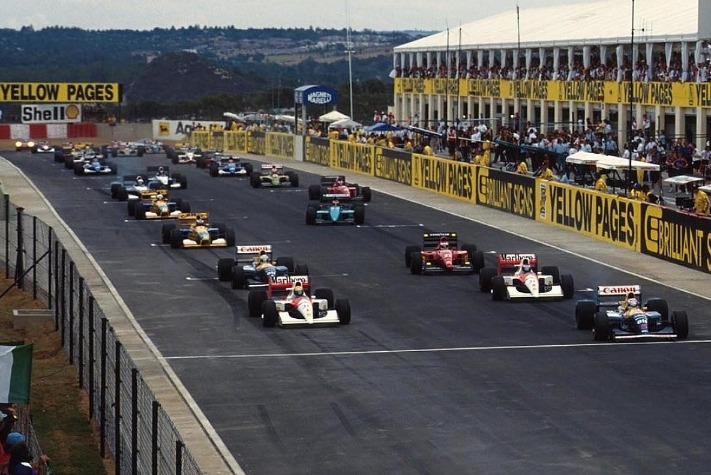
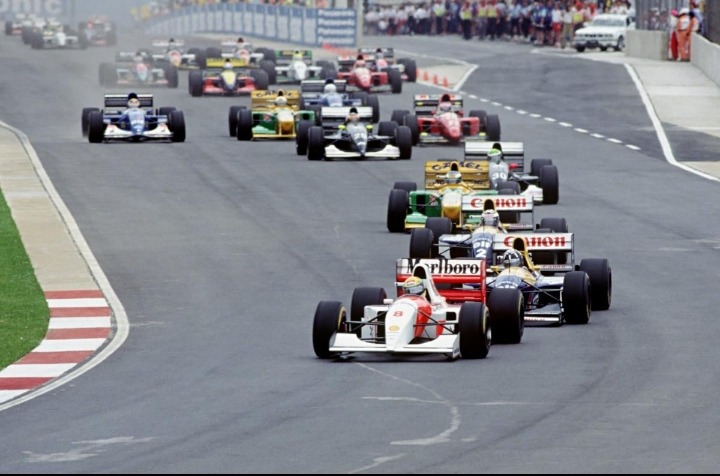
Formula One last held a World Championship race in Africa at South Africa’s Kyalami circuit in 1993. Since then, the championship has expanded into new markets across Asia and the Middle East, leaving Africa absent from its calendar for more than three decades.
The proposed Rwandan circuit is being developed with the involvement of former Formula One driver Alex Wurz and Tilke Engineers and Architects. Its design is intended to use the area’s hilly terrain to create a challenging track with opportunities for overtaking.
Rwanda hopes the race will attract international visitors, generate business for hotels and restaurants, create employment and provide opportunities for local companies. The development could also support training in engineering, event management, broadcasting and other technical fields associated with motorsport.
However, the financial benefits are not guaranteed. Building and maintaining a Formula One circuit requires substantial investment, while hosting fees, infrastructure requirements and operating expenses could place pressure on the project’s finances. The agreement’s full financial terms and the total public investment have not been established in the announcement.
The project has also attracted criticism from human rights campaigners. Amnesty International has raised concerns that hosting a major international sporting event could improve Rwanda’s global image while allegations of human rights abuses remain unresolved. The controversy presents Formula One with questions about its responsibilities when entering new markets.
Rwanda’s success will ultimately depend on completing the circuit, securing the necessary approvals and ensuring that the event generates benefits beyond race weekend. Investment in affordable grassroots motorsport programmes could also help young Africans access opportunities as drivers, engineers and technical professionals.
The agreement represents a historic opportunity, but its real legacy will depend on whether Rwanda can turn international attention into lasting economic and sporting development for its people and the wider African continent.