

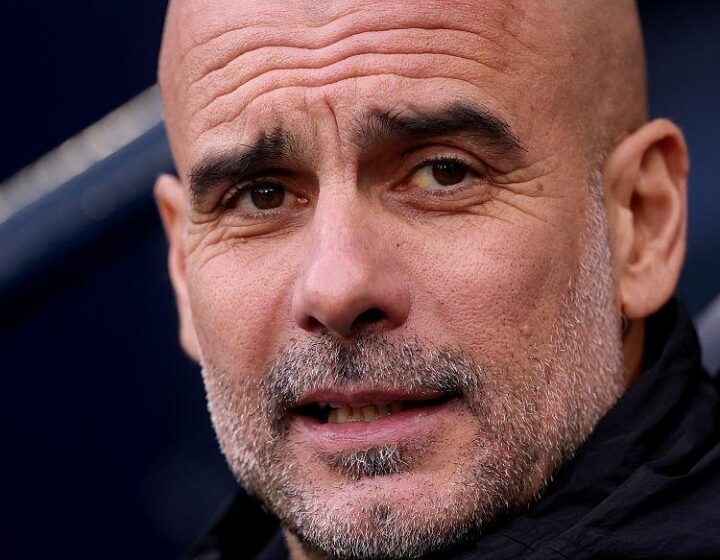

Football used to be explained with numbers: 4-4-2, 4-3-3, 3-5-2. Then Pep Guardiola came along and made the numbers feel almost irrelevant. His teams can begin a match in one shape and finish an attack looking like something completely different. The deeper idea is not the formation on the team sheet, but where players stand, where they move and how they create space for one another. That philosophy, known as positional play, has become one of the defining tactical ideas of modern football.
Guardiola’s football philosophy was heavily influenced by Johan Cruyff and developed dramatically during his time at Barcelona. With Lionel Messi, Xavi, Andrés Iniesta and other technically gifted players, Barcelona turned possession into a weapon. Keeping the ball was not simply about having attractive statistics; it could also be a defensive strategy because opponents could not attack without possession. Barcelona’s players constantly created passing angles and numerical advantages, forcing defenders to make uncomfortable decisions.
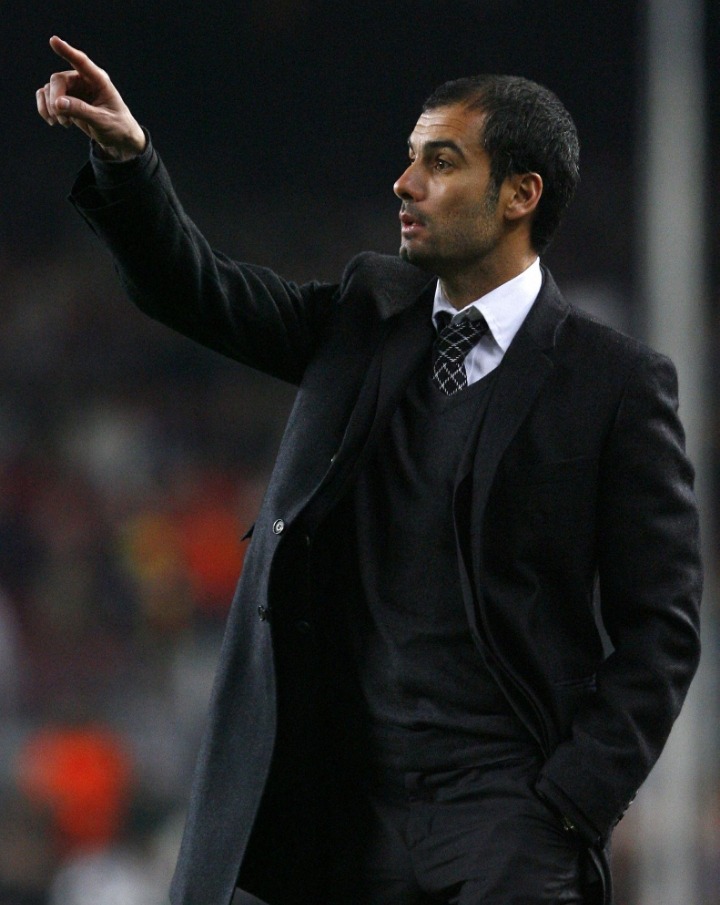
Then came the famous false nine. Instead of keeping the striker permanently between the centre-backs, Guardiola used Messi in a deeper role, pulling defenders away from their positions and opening spaces for teammates to attack. The idea was simple but devastating: move one player away from where the defender expects him to be, and suddenly another player has somewhere to run. UEFA’s technical analysis has identified the false-nine concept as one of the important tactical ideas associated with Guardiola’s teams.
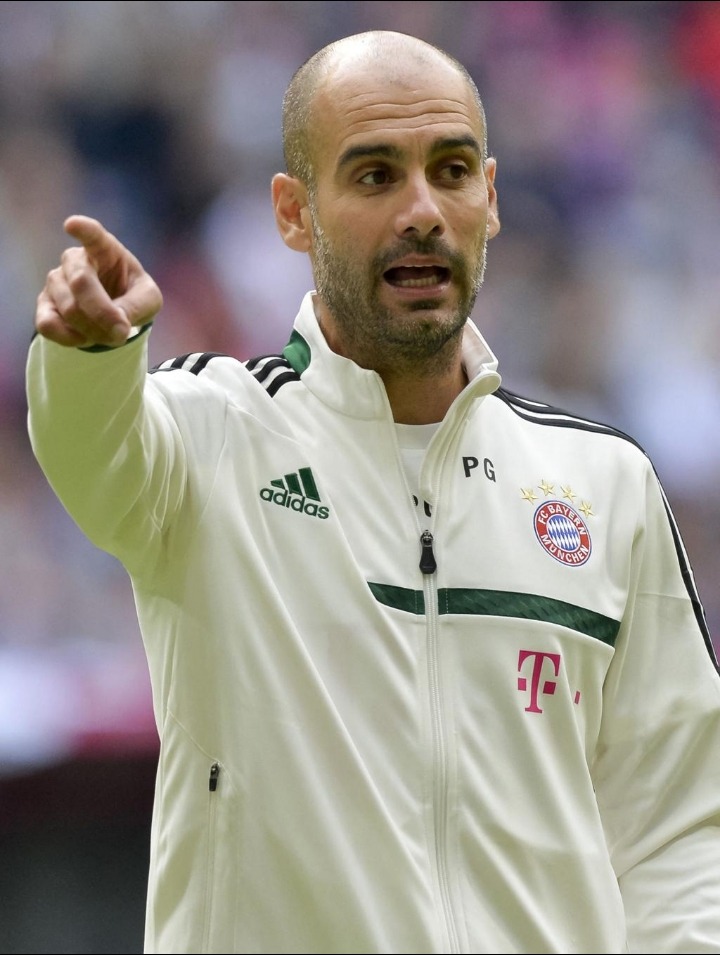
But Guardiola did not simply copy his Barcelona team when he moved to Bayern Munich. He adapted. Players were asked to understand multiple positions and formations, while Bayern’s possession game developed its own characteristics. Guardiola’s Bayern averaged 71.6% possession during one 19-game winning run in 2013-14, illustrating how strongly control of the ball remained central to his approach.
Manchester City became the next laboratory. Full-backs were no longer simply defenders running up and down the touchline. They could move inside into midfield, creating an extra passing option and helping City control the centre of the pitch. Later, John Stones became another example of Guardiola’s positional experimentation, stepping out from defence to operate alongside Rodri in midfield. UEFA described City’s possession structure as a 1-3-2-4-1, demonstrating how dramatically the team’s shape could change once it had the ball.
This is where Guardiola’s football becomes particularly fascinating. A defender can suddenly become a midfielder. A midfielder can appear in the penalty area. A winger can move inside. A striker can drop into midfield. Yet the movement is not supposed to become chaos. It is carefully organised around space, passing angles and numerical superiority. Guardiola has even used a training-pitch system divided into 20 zones to teach players how their positions should change according to the location of the ball.
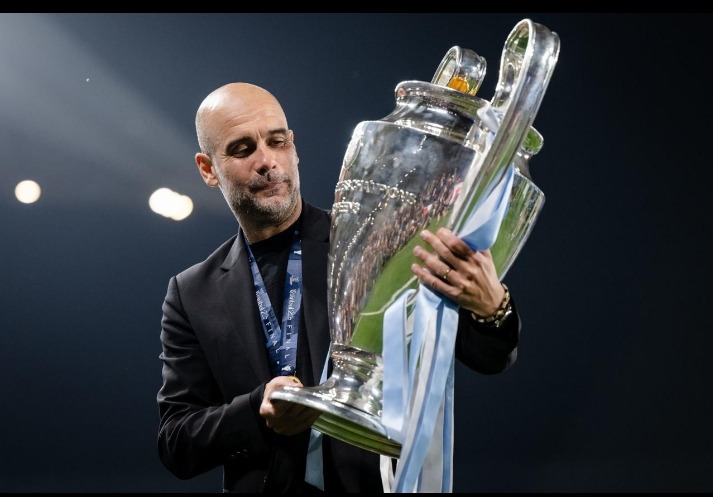
The result is football that can sometimes look almost unfairly simple. City move the ball from one side to another, patiently waiting for an opponent to shift. Then, almost suddenly, a pass arrives between a full-back and centre-back, a midfielder bursts forward and the entire defensive structure is exposed. UEFA analysts have repeatedly highlighted City’s ability to exploit those spaces between defenders.
Yet Guardiola’s story is not simply one of perfection. His ideas have also encountered resistance. Bayern suffered damaging counterattacking defeats during his reign, while opponents have repeatedly searched for ways to exploit the spaces left when his teams commit players forward. His willingness to adapt has therefore been just as important as his original philosophy.
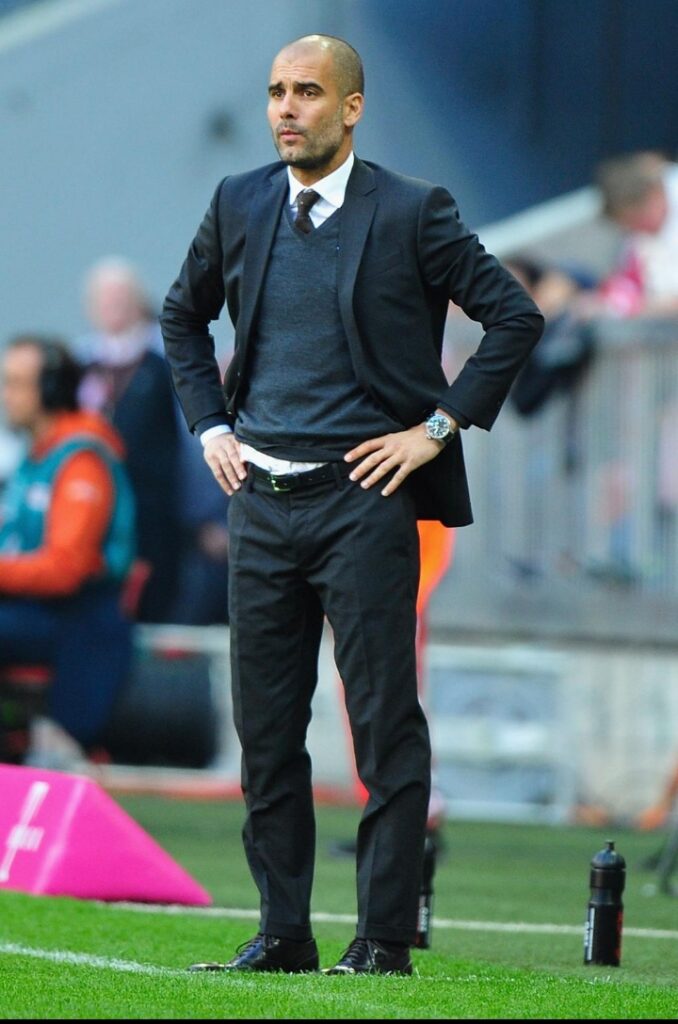
That may be the most interesting thing about Guardiola. His greatest tactical quality is not necessarily that he has discovered one perfect system. It is that he keeps changing the system. Barcelona had Messi as a false nine. Bayern demanded different positional solutions. Manchester City eventually found new ways of using defenders and midfielders to control matches. The formation changes, but the obsession with space remains.
Guardiola’s influence therefore extends beyond the trophies displayed in his clubs’ cabinets. His ideas have contributed to a football culture in which young players are increasingly taught to understand space, positioning and multiple roles rather than simply being told to remain in one position. Analysts have described his influence on English football as particularly significant, while also noting that wider coaching and youth-development changes helped create an environment in which positional football could spread.
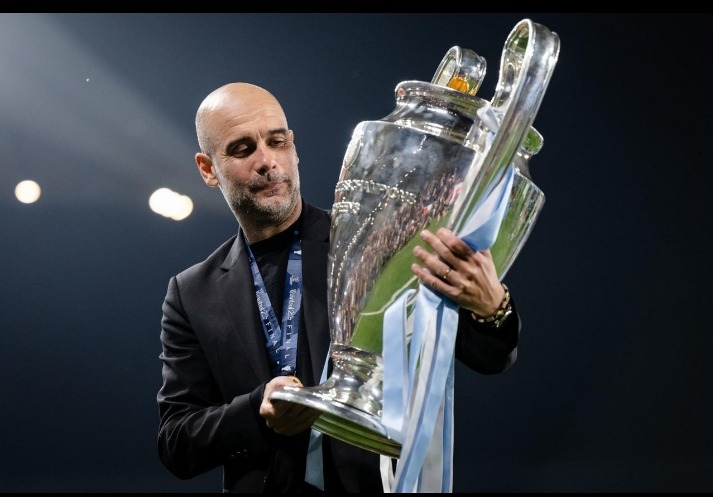
Perhaps that is the real answer to the question: what is so special about Pep Guardiola? It is not just that he asks his players to pass the ball. It is that he asks them to understand why they are passing it, where they should stand before receiving it and what movement should happen next.
For the ordinary fan, football can look like 22 players chasing a ball. For Guardiola, it is closer to a moving puzzle. Every player is a piece, every space is a clue and every movement can change the entire picture.
And that is why, long after the final whistle, Guardiola’s biggest contribution may not be a particular trophy or formation. It may be the way he has encouraged football to think differently.