


Did you know that scientists have developed a human spinal-cord implant that could one day help people living with paralysis walk again?
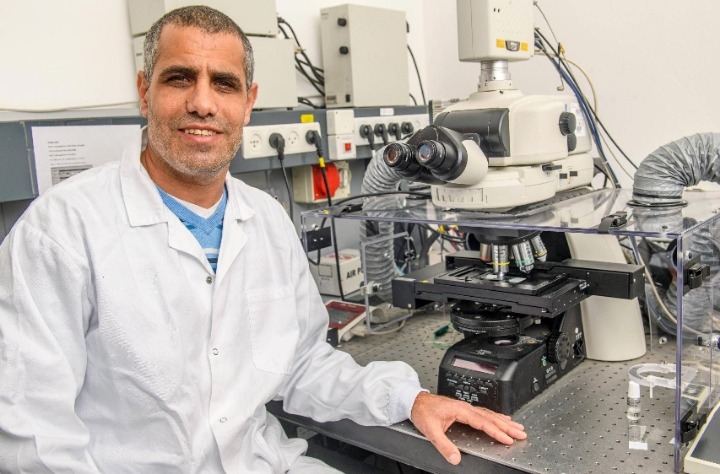
Researchers at Tel Aviv University, led by Professor Tal Dvir, have engineered three-dimensional human spinal-cord tissue using human cells and successfully tested it in laboratory models with long-term paralysis.
The breakthrough has raised hopes that damaged spinal-cord tissue could eventually be repaired rather than leaving patients permanently dependent on wheelchairs.
According to Nas Daily, spinal-cord injuries are among the most difficult medical conditions to treat because damage to the spinal cord can interrupt the communication between the brain and the rest of the body.
Professor Tal Dvir explains that the spinal cord works much like an electrical cable, carrying signals from the brain to different parts of the body. When the connection is severely damaged, those signals may no longer reach the muscles properly, preventing a person from moving their legs or arms.
For many people who suffer severe spinal injuries, the resulting paralysis can last for years or even a lifetime.
Following the reports from Nas Daily, Professor Dvir and his team developed a method of creating personalized spinal-cord implants from a patient’s own biological material.
The process begins with a small sample of tissue from the patient’s belly fat.
The researchers separate the cells from the surrounding material and genetically reprogram the cells into a state similar to embryonic stem cells, allowing them to develop into different types of cells needed for the spinal cord.
As reported by Nas Daily, the researchers then use material from the same tissue to create a personalized hydrogel designed to reduce the possibility of immune rejection.
The stem cells are placed inside the hydrogel and guided through a process that imitates the natural development of the spinal cord in an embryo. Eventually, the cells form three-dimensional implants containing networks of neurons and motor neurons that can potentially reconnect damaged nerve pathways.
According to Professor Tal Dvir and the reports presented by Nas Daily, the results from laboratory testing were particularly encouraging.
The researchers implanted the engineered human spinal-cord tissue into animals suffering from paralysis. All of the animals with recently developed paralysis regained the ability to walk, while about 80 percent of those with long-term, chronic paralysis also regained walking ability. The animals underwent rehabilitation and gradually demonstrated improvements in movement and coordination.The breakthrough could be significant because, according to Nas Daily, the researchers are not simply trying to manage paralysis; they are attempting to regenerate damaged tissue and restore the communication pathways needed for movement.
Professor Dvir’s team has described its long-term goal as producing personalized spinal-cord implants for people with paralysis, potentially allowing damaged tissue to regenerate without the body rejecting the implant.
Following reports from Nas Daily, the research has since moved closer to human treatment.
Tel Aviv University has reported that the team received preliminary approval to begin compassionate-use trials involving eight patients, with the first patient intended to be Israeli.
The researchers are now working toward taking the technology from successful animal experiments into human treatment, although significant scientific and regulatory challenges remain.
Our goal is to produce personalized spinal cord implants for every paralyzed person, enabling regeneration of the damaged tissue with no risk of rejection.” Professor Tal Dvir said.
However, as highlighted by Nas Daily, the technology should not yet be described as a proven cure for paralysis.
The strongest evidence so far comes from laboratory animals, and human treatment must demonstrate that the implants are safe and can reliably restore movement in patients.
If those challenges can be overcome, however, the research could represent a major step toward giving people with spinal-cord injuries the possibility of standing and walking again.