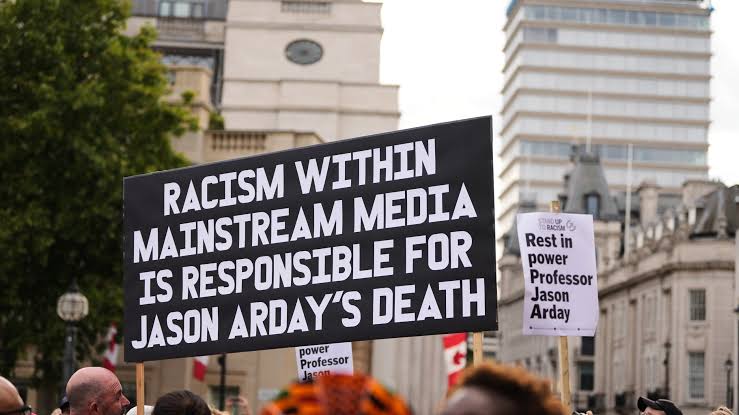


The death of former University of Cambridge professor Jason Arday has sparked debate in Britain over academic integrity, racism, institutional responsibility and the limits of media scrutiny.
Arday, 41, was found unresponsive at a property in south London on August 14 and was pronounced dead at the scene. Police described his death as unexpected but said it was not being treated as suspicious.
His death came just nine days after he resigned from Cambridge amid intense scrutiny over allegations concerning plagiarism in his academic work and questions about aspects of his professional background.
Arday had made history in 2023 when, aged 37, he became the youngest Black professor in Cambridge’s history. He was appointed professor of the sociology of education and became a prominent figure in discussions surrounding race, education and representation in British academia.
The controversy intensified after allegations emerged that parts of Arday’s 2015 doctoral thesis contained passages similar to earlier academic work. The allegations were publicly raised by academic Nathan Cofnas before being examined and reported on by British media.
Arday denied deliberately plagiarising work but acknowledged that he had made mistakes in his academic career.
Cambridge subsequently announced an investigation into questions surrounding his qualifications, appointment and tenure. Arday resigned from the university on August 5, saying the continuing accusations and public scrutiny had taken a significant toll on him and those close to him.
His resignation was followed by a surge in media coverage, with hundreds of newspaper reports published during the weeks surrounding the controversy. The scale of the coverage has since become a major point of debate.
Critics argue that the scrutiny went beyond legitimate reporting of academic allegations and became a sustained campaign against Arday. His family and supporters have accused sections of the media of spreading misinformation and subjecting him to intense public pressure.
However, there is no established evidence that the media coverage directly caused Arday’s death. Police have said his death was unexpected and not suspicious, and no public evidence has established a direct link between the controversy and his death.
Media organisations involved in reporting the allegations have defended their coverage as legitimate scrutiny of claims concerning a senior academic at one of the world’s most prestigious universities.
The controversy has now raised broader questions about academic accountability, media responsibility, racism and the treatment of public figures facing allegations.
Arday’s story has consequently become more than a debate over his academic record. It has opened a difficult national conversation about where legitimate accountability ends and excessive public scrutiny begins.
What remains undisputed is that Arday rose from significant challenges in childhood to become a history-making Cambridge professor, before resigning amid intense public scrutiny and dying at the age of 41.
What remains contested is the extent to which the controversy and the media attention surrounding it affected the final days of his life.