

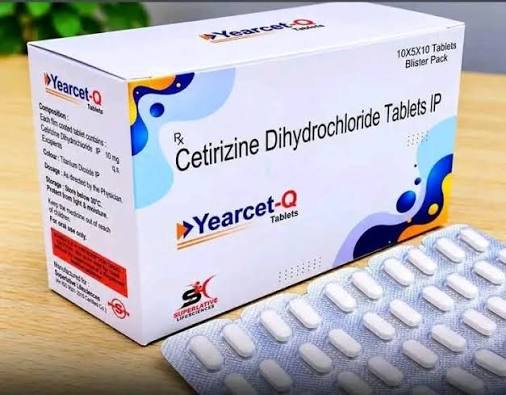

What began as a viral social media tip is raising serious health concerns, as women reportedly turn to allergy medication in pursuit of vaginal tightness despite a lack of scientific evidence supporting the practice.
A medication commonly found in Kenyan households for treating allergies has unexpectedly become the centre of a controversial debate about women’s intimate health, with medical professionals warning against its misuse following claims that Cetirizine tablets can make the vagina tighter.
The trend, which has gained attention on social media platforms, particularly X, involves claims that inserting Cetirizine tablets into the vagina can reduce natural lubrication, creating a sensation that some users associate with tightness.
However, health professionals are cautioning women against experimenting with the medication, stressing that it was developed for treating allergic reactions and not for vaginal application or tightening.
Cetirizine is an antihistamine commonly prescribed or purchased over the counter to relieve symptoms such as sneezing, runny noses, itchy eyes and skin reactions. It works by blocking histamine, a chemical responsible for triggering allergic symptoms.
While the medicine can cause side effects such as dry mouth and, in some users, drowsiness, there is no established medical evidence that it tightens vaginal tissue or improves vaginal muscle tone.
The controversy has also exposed a misconception surrounding vaginal dryness and tightness. Reduced natural lubrication does not mean that the vagina has become physically tighter. Instead, inadequate moisture can increase friction, cause irritation and make sexual intercourse uncomfortable or painful.
Medical concerns are particularly serious when tablets designed to be swallowed are inserted into the vaginal canal. Their ingredients and formulation are not intended for that use, and unapproved vaginal application may cause irritation or other complications.
The growing online discussion also raises questions about the pressure women face to meet expectations surrounding intimate appearance and sexual experiences, creating a market for products and remedies that promise vaginal tightening without sufficient scientific backing.
Women experiencing persistent vaginal dryness or concerns about changes in their reproductive health are advised to seek professional medical guidance rather than experiment with medication based on social media recommendations.
Cetirizine should therefore be used for its intended medical purpose, with healthcare professionals warning that viral health trends should never replace medically approved treatment.