

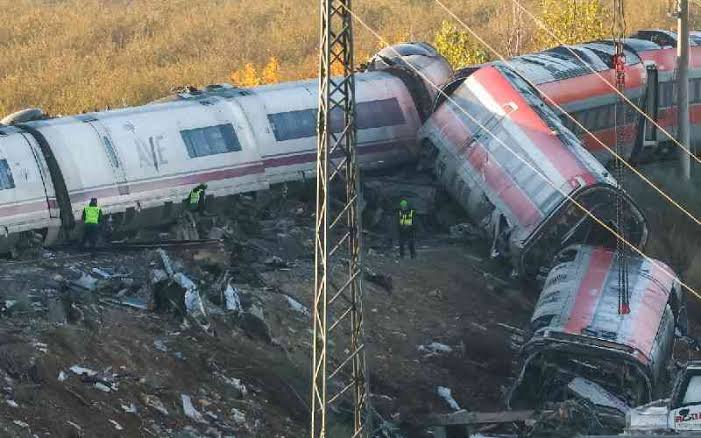

Spain is mourning dozens of lives lost in a devastating train collision, as growing concerns over railway maintenance and safety raise questions about whether the tragedy could have been prevented.
At least 69 people have been confirmed dead following Wednesday’s collision between two trains south of Madrid, with 112 people reportedly taken to hospital as rescue operations and victim identification continue.
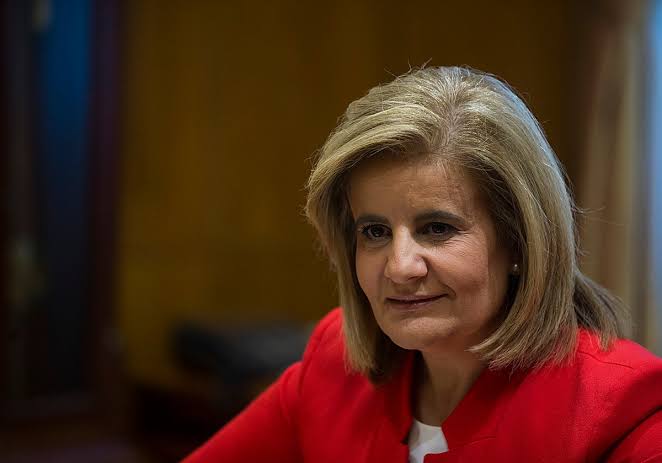
Among those killed was former Spanish employment minister Fátima Báñez, 59, whose death was confirmed by the country’s employment ministry on Thursday.
Spain’s King Felipe VI and Queen Letizia visited a hospital in Toledo treating survivors, expressing condolences to grieving families and thanking emergency responders for their efforts.
The collision occurred when a high-speed train travelling from Madrid to Seville struck a stationary train. Preliminary audio recordings of communications between train drivers and railway control have raised questions about how the incident unfolded, although investigators are yet to establish the definitive cause.
The disaster has also triggered criticism of Spain’s railway management, with civil engineer Salvador García-Ayllón pointing to what he described as years of inadequate investment, funding and maintenance. He warned that weaknesses in railway systems should not be reduced to individual human errors.
Meanwhile, hundreds of police officers and emergency personnel remain involved in the response, as families search for missing relatives and provide DNA samples to help identify victims. Train operator Renfe has also established family support centres in Madrid, Córdoba and Seville, offering psychological assistance to those affected.
Speaking during a news conference, Prime Minister Pedro Sánchez praised rescue teams and said the government was working to establish the cause of the collision. King Felipe VI called for unity in the face of the tragedy, stressing that the investigation must determine what happened and what measures are needed to prevent a similar disaster.
As Spain grieves, attention is increasingly turning to railway safety, maintenance and accountability, with the investigation expected to play a crucial role in answering questions surrounding one of the country’s deadliest rail disasters.