

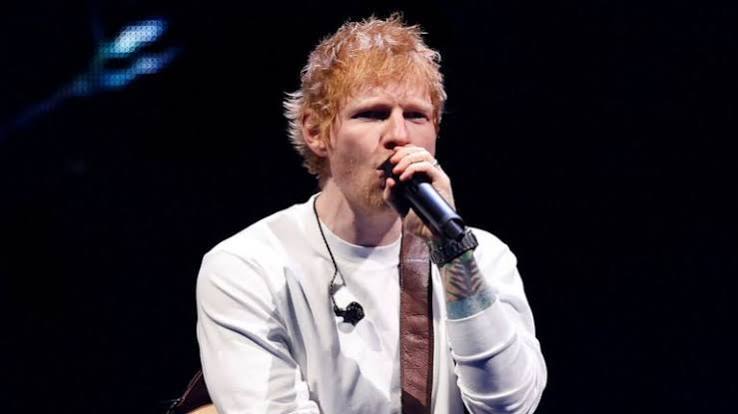

Ed Sheeran’s attempt to stay out of the Israel-Palestine dispute has now plunged his tour into the middle of it. Four supporting acts have withdrawn from his upcoming shows after rapper Macklemore was removed from the tour following his public support for Palestine.
Finneas, Aaron Rowe, Lukas Graham and Irish band Beoga have all announced their departures, turning a dispute over one artist’s political speech into a wider confrontation over free expression, the power of venue owners and the role of musicians in political debates.
The controversy began after Macklemore used a September 4 performance at New Jersey’s MetLife Stadium to speak about the situation in Gaza and the occupied West Bank, ending his remarks with a call to Free Palestine. His comments triggered opposition from some groups and venue owners, with Robert Kraft, owner of the New England Patriots and Gillette Stadium, publicly confirming that he opposed Macklemore performing at the venue.
Kraft said his decision was based not only on Macklemore’s recent comments but also on what he described as a broader history of antisemitic rhetoric and imagery that he said had been offensive to the Jewish community. Kraft also said his position was not intended to deny Palestinian suffering or the right to advocate for Palestinians.
Macklemore, however, maintained that his comments were about Palestinian rights and opposition to suffering, and rejected the suggestion that criticism of Israel should be equated with hostility toward Jewish people.
As pressure mounted, Macklemore was removed from the remaining dates of Sheeran’s tour. Sheeran has since sought to distance himself from the decision, saying the removal was the promoter’s decision, it was not mine. He explained that Macklemore’s contract was with the promoter and that several stadium owners had indicated they would not host the tour if Macklemore remained on the lineup.
Sheeran said he was appalled by the suffering resulting from the Israel-Palestine conflict and claimed he had spent the week trying to find a solution. According to his statement, those efforts failed and the venue and promoter ultimately made the final decision.
He also defended his decision to continue the tour, saying he did not want to abandon fans who had already made plans or the touring crew and musicians who depend on the shows for their livelihoods. Sheeran further said he wants his concerts to remain spaces that bring people together rather than platforms for political confrontation.
That explanation has not stopped the backlash.
Finneas announced that he would withdraw from six South American dates, saying artists should not be silenced when speaking in support of oppressed people. Aaron Rowe, who was scheduled for the remaining North American dates, also walked away, while Lukas Graham criticized the influence of wealthy venue owners over which issues artists are allowed to discuss.
Beoga, Sheeran’s backing band, also announced its departure, saying it opposed what it described as the silencing of Macklemore. Their exits mean that all four supporting acts scheduled for upcoming dates have now left the tour.
The dispute has also attracted support for Macklemore from other musicians and public figures, while Kraft’s supporters have pointed to his stated concerns about antisemitism and the responsibility of venues to determine who appears on their stages.
What began with a few words from a concert stage has therefore escalated into a much bigger debate, how far can artists go in using entertainment platforms to speak about war and human suffering, and how much power should promoters and venue owners have to decide when those views cross a line?