

Airlines Seek Exemption from Passenger Compensation Over Wartime Flight Cancellations

Several international airlines have petitioned Israel’s Supreme Court seeking exemption from compensating passengers whose flights were cancelled during Operation Roaring Lion, raising concerns about passenger rights and airline responsibilities during wartime.
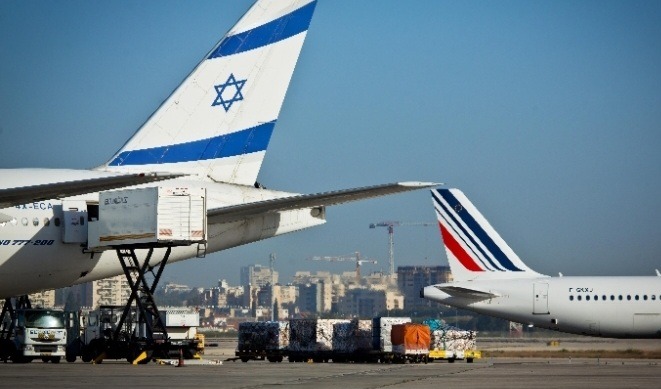
The petition was filed on Tuesday by the International Air Transport Association (IATA), alongside major carriers including El Al, Delta Air Lines, Air France, KLM, Etihad Airways, Aegean Airlines and Bulgarian Air. Travel agencies Netivim Tours and Derech Tzadikim Tours are also among the petitioners.
The airlines are challenging the Israeli government, the Transport Minister, the Finance Ministry and the Knesset over compensation requirements under the country’s Aviation Services Law, commonly known as the Tibi Law. They are asking the court to exempt them from compensation obligations for flights cancelled during the military operation and establish similar protections for future wars.
According to the petitioners, the military campaign, which began in February, led to the closure of Israeli airspace for approximately 40 days, preventing most commercial aircraft from taking off or landing. Only limited evacuation flights were permitted during the restrictions, which the airlines described as an unprecedented disruption in the country’s aviation history.
The airlines argue that the cancellations resulted from circumstances beyond their control, as government-imposed security restrictions made normal flight operations impossible. They maintain that requiring carriers to compensate passengers under such conditions could impose significant financial burdens on the aviation industry.
The dispute comes as passengers pursue legal action against airlines over cancelled flights, seeking compensation for financial losses, disrupted travel plans and additional expenses incurred during the closure. The growing number of claims has intensified pressure on airlines to clarify their legal responsibilities when military conflicts disrupt air travel.
Israel’s Aviation Services Law requires airlines to provide eligible passengers with compensation and assistance in cases involving flight cancellations, lengthy delays and certain changes to travel arrangements. However, the law provides for exceptions under specific circumstances, making the interpretation of its provisions central to the ongoing legal dispute.
The petition also seeks to establish a broader legal framework for future conflicts, potentially determining whether the government or airlines should bear the financial responsibility when national security decisions result in widespread flight cancellations.The case could have significant implications for the aviation industry and passenger protection in Israel.
If the court grants the requested exemption, airlines could receive greater protection from compensation claims arising from similar wartime disruptions. However, passengers could face uncertainty over their entitlement to financial compensation following cancellations caused by military operations.
As the legal challenge proceeds, the outcome is expected to influence discussions about balancing airline financial losses, government responsibility and the rights of travellers affected by emergencies.The Supreme Court’s decision will be crucial in determining how compensation obligations are handled when war brings commercial aviation to a standstill.