

African football leaders, national-team coaches and international football experts are gathering in Cape Verde from Wednesday for a major three-day strategy conference aimed at determining the next phase of football development on the continent.
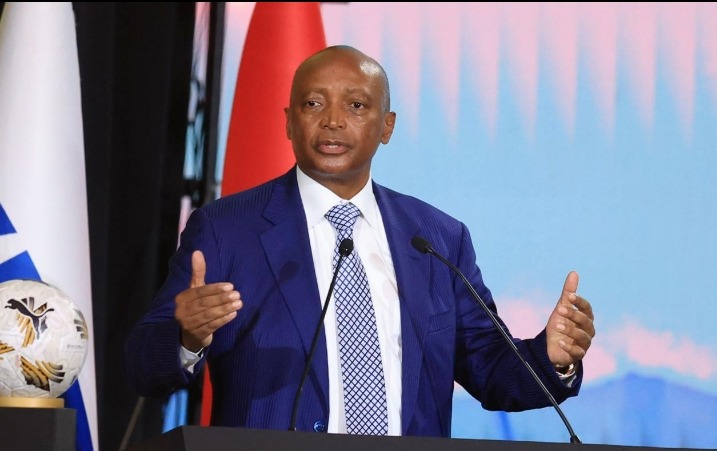
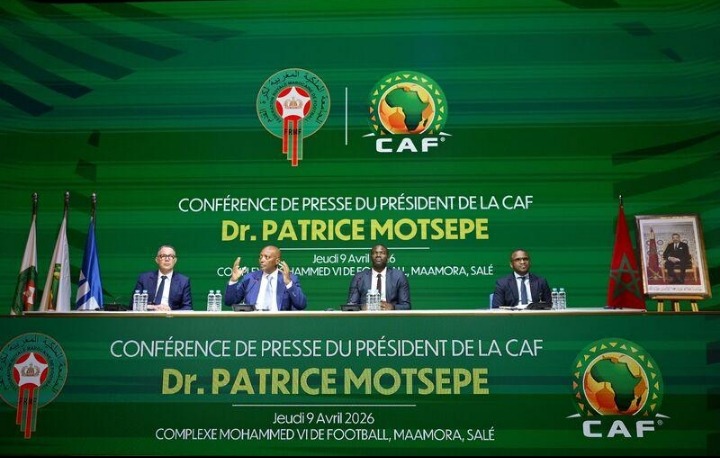
The CAF Strategy Conference, running from 7 to 9 October 2026 in Santa Maria on Sal Island, has been convened by the Confederation of African Football (CAF) under the leadership of President Dr Patrice Motsepe. The meeting brings together representatives from all 54 CAF Member Associations, alongside coaches and other key football stakeholders.
The conference comes at an important moment for African football following the continent’s strongest collective showing at the 2026 FIFA World Cup. Africa sent a record 10 national teams to the tournament, with nine progressing to the knockout stage. CAF says the experience provides valuable lessons as the continent looks towards the 2030 World Cup.
The discussions will centre on two broad areas: improving football development and sustainability across Africa, and examining the performances of African teams at the 2026 World Cup.
Rather than focusing only on the results achieved in the tournament, CAF intends to examine how those performances can be converted into long-term progress for national associations, players and coaches.
The meeting is expected to bring together presidents of CAF’s 54 Member Associations, presidents of the zonal unions, members of the CAF Executive Committee, senior men’s, women’s and youth national-team coaches and international football experts.
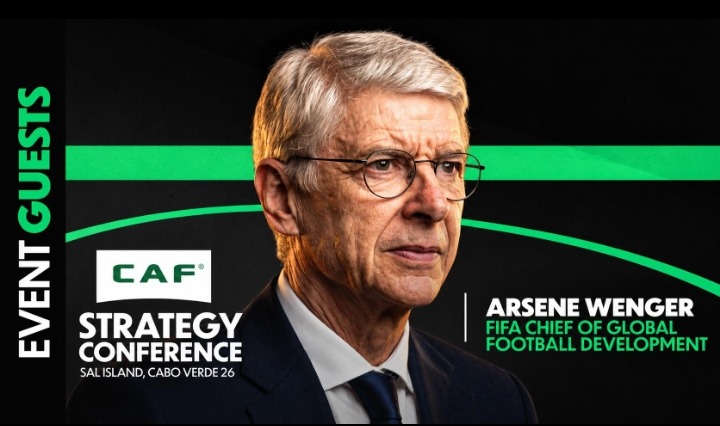
Among the prominent figures expected to attend are CAF President Patrice Motsepe and FIFA President Gianni Infantino. Former Arsenal manager and FIFA Chief of Global Football Development Arsène Wenger is also expected to contribute through the FIFA Technical Study Group.
The participation of coaches from different levels of African football is significant. Coaches from the 10 African countries that competed at the 2026 World Cup are expected to share their experiences alongside coaches from the other CAF Member Associations.
The conference will also include coaches of African women’s national teams that have qualified for the 2027 FIFA Women’s World Cup, as well as coaches of African under-17 teams taking part in the FIFA U-17 World Cup.
One of the major issues expected to receive attention is the growing influence of African coaches.
Six of Africa’s 10 World Cup teams in 2026 were led by African coaches, an increase from just one at the 2010 World Cup. CAF says the trend demonstrates the increasing opportunities and confidence being given to coaches developed on the continent.
The performances of the African teams at the 2026 World Cup provide an important backdrop to those discussions. Nine of the continent’s 10 representatives reached the knockout stage, giving Africa its strongest collective World Cup performance to date.
CAF wants the lessons from that success to extend beyond the tournament itself. Areas such as coaching development, player development pathways, technical structures and the long-term sustainability of football associations are expected to form part of the wider discussions.
The conference is therefore designed not simply as a review of the 2026 World Cup, but as a platform for determining how African football can build on its recent progress and become more competitive at international level.
With the 2030 FIFA World Cup already forming part of the continent’s long-term planning, the meeting in Cape Verde provides African football leaders with an opportunity to identify areas requiring improvement while strengthening structures that have contributed to recent successes.
CAF says the gathering is intended to help turn the lessons of recent international competitions into practical measures that can benefit all 54 Member Associations.
The three-day conference consequently places African football at a strategic crossroads, with administrators, coaches and technical experts meeting to discuss how the continent can sustain its recent rise and compete more consistently among the world’s leading football regions.