

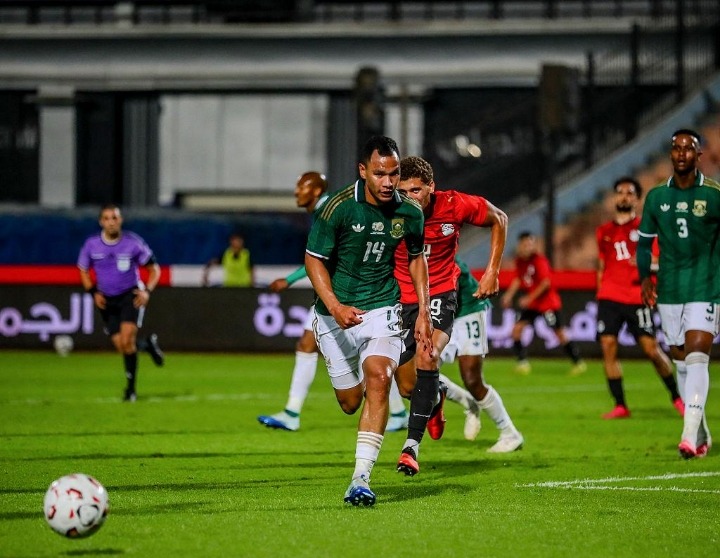

African national teams used the extended international window to strengthen their preparations through friendly matches after completing the opening rounds of the 2027 Africa Cup of Nations qualifiers, with several sides taking on opponents outside the continent. The friendly programme provided teams with an opportunity to test players, assess tactical options and build momentum ahead of the next stages of their international campaigns.
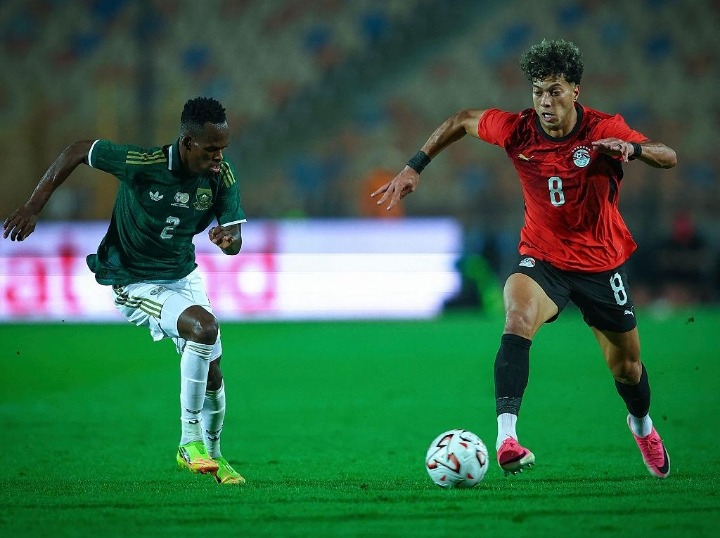
South Africa were among the teams involved, remaining in Cairo after their 5-0 victory over Eritrea to face Egypt in a friendly. The match brought together two of Africa’s established football nations as they continued preparations following their opening AFCON qualifying assignments.
The encounter also attracted attention because of the uncertainty surrounding Egypt captain Mohamed Salah. The Liverpool forward had missed Egypt’s trip to South Sudan because of concerns over the artificial playing surface but was expected to return for the friendly against South Africa.
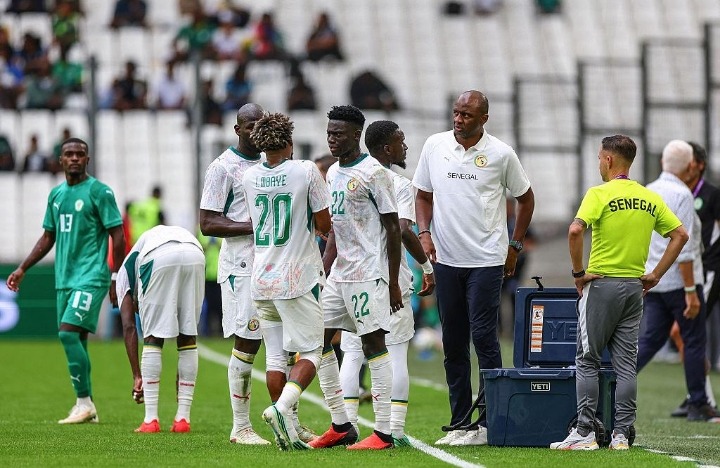
South Africa entered the match with confidence after recording convincing victories in their AFCON qualifying campaign. The team defeated Guinea 2-0 before producing an even stronger performance against Eritrea, winning 5-0 in Cairo.
Egypt, meanwhile, had also produced a strong result in their second qualifier, defeating South Sudan 5-0 after beginning their campaign with a goalless draw against Angola. The friendly therefore offered both teams an opportunity to continue working on their squads without the immediate pressure of a competitive qualifier.
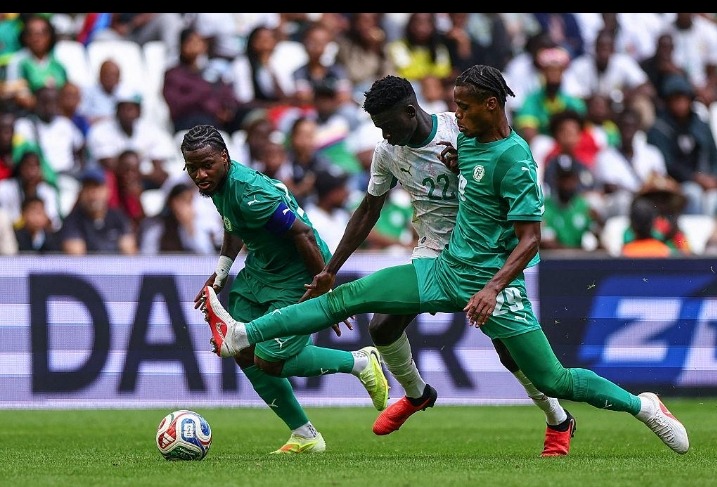
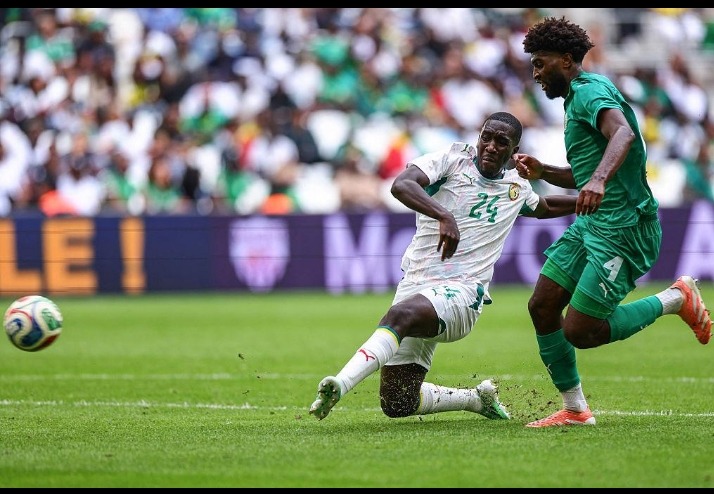
Senegal were another major African side using the window for a friendly, facing Comoros in Marseille. The fixture was particularly significant because Senegal were beginning a new era under former France international Patrick Vieira, who had recently taken charge of the national team.
The choice of Marseille also carried a strong cultural connection. A significant Comorian community lives in the French city, and several Comoros players were born there. The match therefore provided a special occasion for players with links to Marseille to represent their national team in the city.
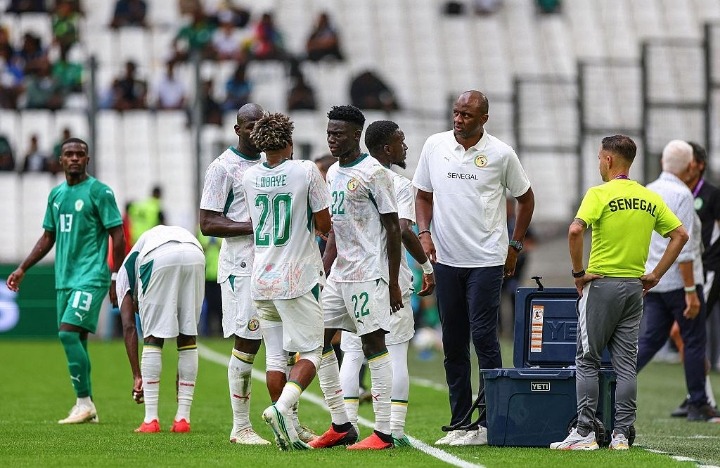
Vieira’s appointment was part of a broader coaching change across African football. He took over Senegal after the team’s disappointing 2026 World Cup campaign and began rebuilding the side ahead of the 2027 AFCON qualifiers. His first competitive matches in charge came against Mozambique and Ethiopia before the friendly against Comoros.
Other African nations also arranged international friendlies during the expanded FIFA window. Benin and Burkina Faso travelled to Argentina, with Benin scheduled to play Argentina in what was expected to be Lionel Messi’s international farewell. Gambia travelled to Bolivia, while Namibia and Nigeria were scheduled to play Russia.
The friendly programme also reflected the contrasting situations of African teams. Ghana withdrew from a planned match against Morocco after citing injuries, while Morocco subsequently arranged a meeting with Mali. Tunisia also cancelled a proposed friendly against Mali after a difficult start to their AFCON qualifying campaign.
For the teams that did play, however, the additional matches provided valuable preparation. Coaches were able to experiment with formations, give opportunities to players competing for places and evaluate combinations that could be important when competitive matches resume.
The expanded international window has therefore given African national teams more opportunities to work with their squads, but it has also increased the demands placed on players. The teams will now have to balance preparation, player fitness and competitive commitments as they continue their respective journeys towards the 2027 Africa Cup of Nations.
With the tournament to be hosted by Kenya, Tanzania and Uganda, the performances of Africa’s leading national teams during the international window will be closely watched as the continent moves towards another major continental championship.