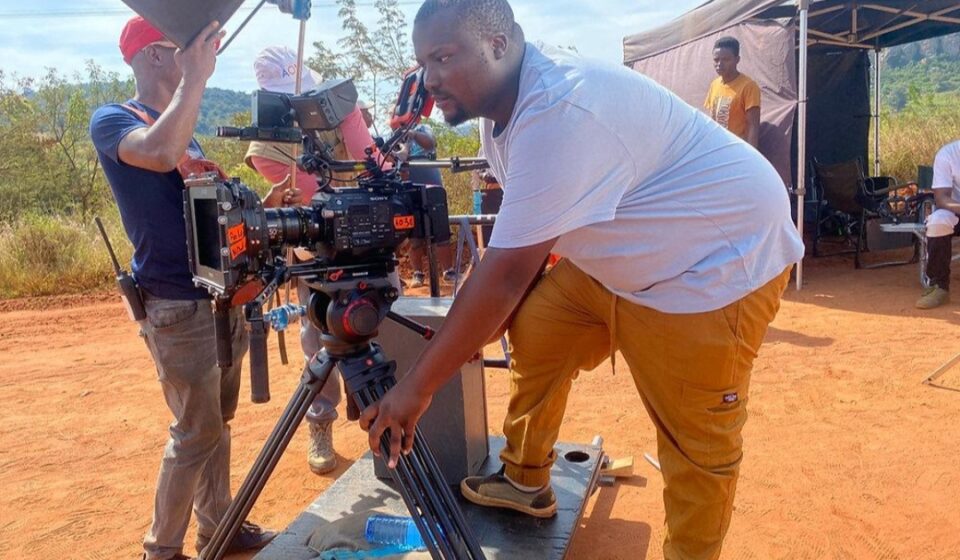

Entertainment is often associated with the people audiences see on stage or on screen. Yet behind every film, concert, television programme or music video is a much larger workforce.
The modern creative economy includes filmmakers, editors, photographers, sound engineers, writers, producers, graphic designers, costume designers, event managers, digital marketers and many other professionals.This wider ecosystem is becoming increasingly important to Africa’s economic development.
The United Nations Economic Commission for Africa has described the continent’s creative economy as an important source of employment and economic opportunity. Meanwhile, UNESCO continues to emphasise the need for better data to measure how cultural and creative industries contribute to employment and economic development across Africa.
Digital technology has expanded these opportunities.A person interested in film, for example, can work in cinematography, editing, sound production or production management without necessarily becoming an actor. Someone with communication or marketing skills can work on publicity, audience development or digital campaigns for entertainment companies.
The music industry has similarly expanded beyond singers and instrumentalists. Producers, songwriters, engineers, managers, photographers and concert organisers all contribute to the business surrounding an artist.This means entertainment can provide career paths for people with different talents and educational backgrounds.However, growth in the number of opportunities does not automatically mean that creative workers have stable employment.Many professionals work on short-term contracts or individual projects, making income unpredictable.
The International Labour Organization has identified decent work, skills development, employment conditions and social protection as important issues for Africa’s cultural and creative economy.For the sector to develop sustainably, therefore, investment cannot focus only on producing successful performers.
It must also support the people and businesses working behind them.Training institutions have a role to play by providing practical skills that match the industry’s changing demands. Governments and industry organisations can also contribute through policies that improve access to finance, protect intellectual property and support creative businesses.
The future of African entertainment will ultimately depend on more than who is famous.It will depend on whether the continent can build an ecosystem in which creative skills become sustainable careers and entertainment develops into a stronger, organised economic sector.