
For years, African filmmakers faced a major challenge: producing a film was only part of the job. Finding enough cinemas, television networks and distributors to take the production to audiences was often more difficult.
The growth of streaming and online video platforms is changing that situation. Digital platforms have created additional routes through which African films, documentaries and television productions can reach viewers beyond their countries of origin.The change is particularly important because Africa has a large but still developing audiovisual industry.
UNESCO estimates that Africa’s film and audiovisual sector employs about five million people and contributes approximately US$5 billion to the continent’s GDP. However, the organisation has also identified underinvestment, limited infrastructure and distribution challenges as obstacles to the industry’s growth.
Streaming offers filmmakers an opportunity to reach international audiences without depending entirely on traditional cinema distribution.A story produced in Lagos, Accra, Nairobi or Johannesburg can now potentially be discovered by audiences in Europe, North America, Asia and other parts of Africa. This creates opportunities for African languages, cultures and experiences to become part of the global entertainment conversation.However, international visibility does not automatically translate into a sustainable film industry.The growth of streaming also raises questions about intellectual-property ownership, contracts, production financing and how revenue is distributed among the many professionals involved in filmmaking.
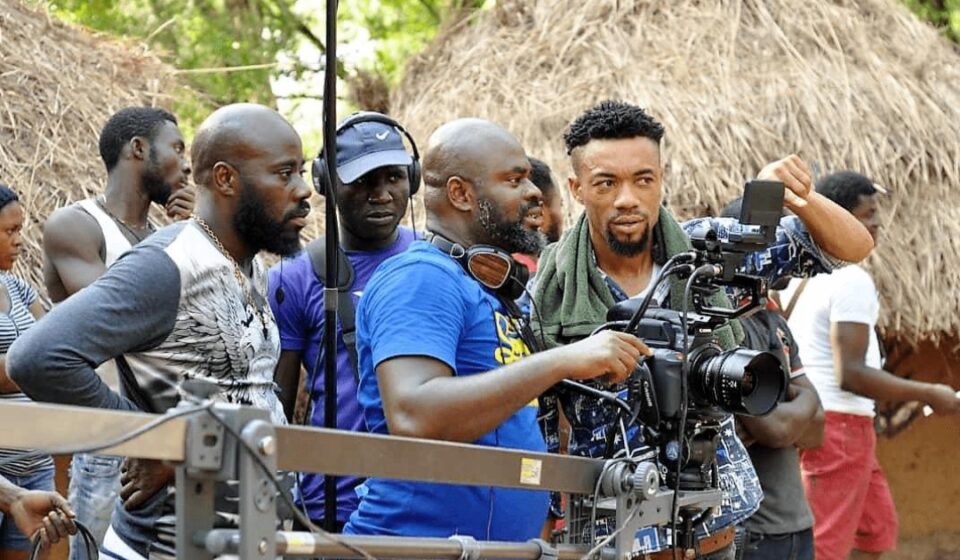
A successful production requires far more than actors. Writers, directors, cinematographers, editors, sound engineers, costume designers, producers and marketing professionals all contribute to the final product.Technology has also lowered some barriers to filmmaking. More affordable digital equipment and online distribution have helped new filmmakers enter the industry. UNESCO identifies these technological developments as important factors behind the growth of African filmmaking.
The next challenge is therefore to turn increased international attention into sustainable businesses and careers.For African filmmakers, the streaming era provides an opportunity to take local stories to global audiences. The bigger question is whether the industry can build the financing, skills, distribution systems and professional structures needed to ensure that those stories generate lasting economic value.For years, African filmmakers faced a major challenge: producing a film was only part of the job.
Finding enough cinemas, television networks and distributors to take the production to audiences was often more difficult.The growth of streaming and online video platforms is changing that situation. Digital platforms have created additional routes through which African films, documentaries and television productions can reach viewers beyond their countries of origin.The change is particularly important because Africa has a large but still developing audiovisual industry.
UNESCO estimates that Africa’s film and audiovisual sector employs about five million people and contributes approximately US$5 billion to the continent’s GDP. However, the organisation has also identified underinvestment, limited infrastructure and distribution challenges as obstacles to the industry’s growth.
Streaming offers filmmakers an opportunity to reach international audiences without depending entirely on traditional cinema distribution.A story produced in Lagos, Accra, Nairobi or Johannesburg can now potentially be discovered by audiences in Europe, North America, Asia and other parts of Africa. This creates opportunities for African languages, cultures and experiences to become part of the global entertainment conversation.However, international visibility does not automatically translate into a sustainable film industry.
The growth of streaming also raises questions about intellectual-property ownership, contracts, production financing and how revenue is distributed among the many professionals involved in filmmaking.A successful production requires far more than actors. Writers, directors, cinematographers, editors, sound engineers, costume designers, producers and marketing professionals all contribute to the final product.Technology has also lowered some barriers to filmmaking.
More affordable digital equipment and online distribution have helped new filmmakers enter the industry. UNESCO identifies these technological developments as important factors behind the growth of African filmmaking.
The next challenge is therefore to turn increased international attention into sustainable businesses and careers.For African filmmakers, the streaming era provides an opportunity to take local stories to global audiences. The bigger question is whether the industry can build the financing, skills, distribution systems and professional structures needed to ensure that those stories generate lasting economic value.