
African entertainment companies are increasingly looking beyond traditional television and cinema distribution as homegrown streaming platforms seek to take African stories to audiences around the world.
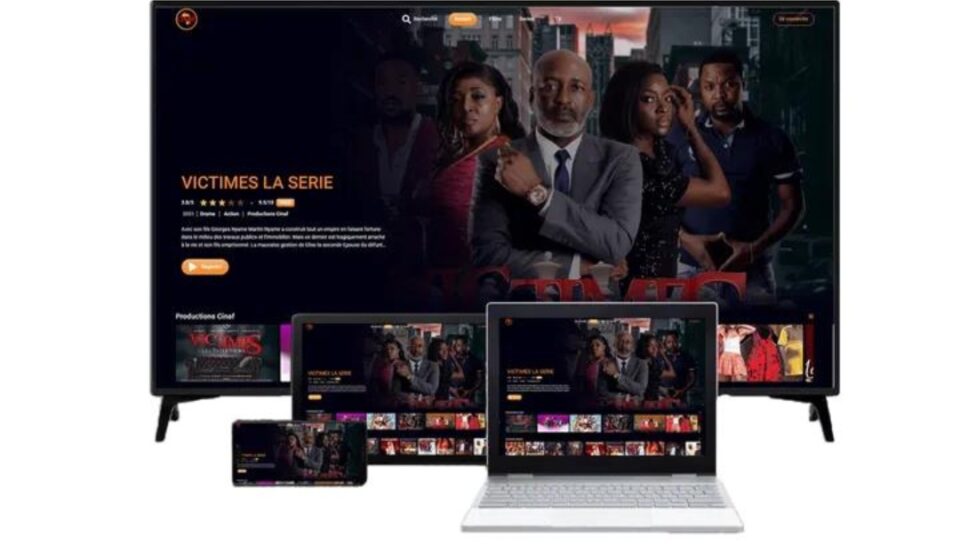
The latest example is Africin, a Zimbabwean-developed entertainment platform that is seeking to connect Zimbabwean and other African storytellers with audiences through movies, series and, eventually, live entertainment experiences.
The platform is responding to a long-standing challenge in Africa’s creative industry: producing content is only one part of the business. Creators also need reliable ways to distribute their work, reach audiences and generate sustainable income.
Africin’s approach is centred on African ownership of African stories. The platform argues that local creators are better positioned to tell stories about their communities, cultures, humour and everyday experiences because they understand the environments in which those stories are created.
The company plans to begin in Zimbabwe while developing a wider continental ambition. Its stated goal is to eventually connect African productions with audiences beyond the continent.
This development reflects a broader transformation in the entertainment industry. Streaming has changed the relationship between producers and audiences by allowing films and television programmes to cross borders without relying solely on cinemas, television stations or physical distribution.
For African filmmakers, this can create opportunities to reach viewers who might never encounter their work through traditional channels. It can also create new possibilities for producers, actors, writers, editors, cinematographers and other professionals working behind the scenes.
However, competition for viewers is intense. African platforms must compete not only with other local services but also with major international streaming companies that have substantial financial resources and global subscriber bases.
The question is therefore not simply whether Africa can produce quality entertainment. It is whether African companies can build sustainable businesses around the production, distribution and ownership of that entertainment.
The growth of homegrown streaming platforms suggests that the next phase of African entertainment may increasingly involve Africans controlling not only the stories they create, but also the systems through which those stories reach audiences.
For the creative economy, that distinction matters. Ownership of intellectual property, access to audiences and the ability to monetise content can determine whether entertainment remains a short-term creative project or develops into a sustainable industry.