

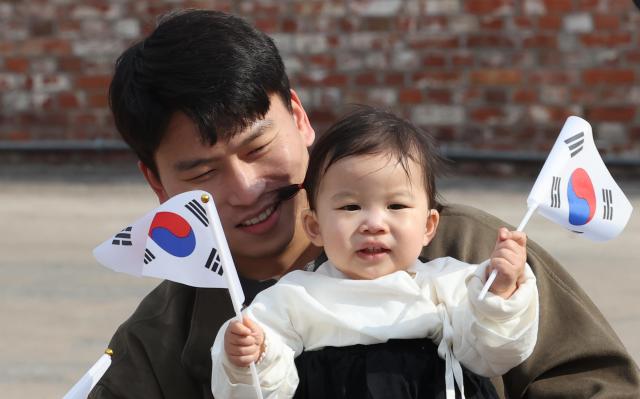

South Korea is offering families millions of won in new incentives as the government launches another aggressive attempt to convince people to have more children amid the country’s long-running demographic crisis.
Under the government’s 2027 budget plan, 6.1 trillion won will be allocated to programmes covering marriage, childbirth and childcare, with total government support potentially reaching 75 million won per child over the course of childbirth and early childcare.
Starting next year, newly married couples will receive a one-time marriage support payment of 1 million won regardless of income. The payment will replace the current marriage-related tax deduction.
Childbirth support will also increase substantially. Families will receive 10 million won for a first child, 12 million won for a second and 15 million won for a third or subsequent child.
Families living in areas later designated as priority regions could receive an additional 5 million won in childbirth support.
The government is also increasing monthly child allowances. The basic payment will rise to 200,000 won per month, while children living in priority areas could receive up to 300,000 won.
Parents who choose to care for children aged 0 to 1 at home rather than sending them to daycare will also receive an additional 300,000 won per month.
The age limit for receiving child allowances will gradually increase. From 2027, children up to nine years old will qualify, with the government planning to raise the limit annually until it reaches 12 years old by 2030.
The package also includes a new child asset-building programme aimed at giving children a stronger financial start in adulthood.
Under the proposed “Our Child Self-Reliance Support Fund”, parents will be able to save money for their children from birth, with the government providing matching contributions based on household income.
The programme could allow eligible children to accumulate between 60 million and 100 million won by the time they turn 18, depending on investment returns.
The government is also removing income restrictions from the Youth Future Savings Account, allowing more young people to participate. Those who save up to 500,000 won a month for three years will receive government contributions and tax benefits.
For employees of small and medium-sized enterprises and eligible small-business owners, the government contribution rate will be increased further.
The measures highlight the scale of South Korea’s attempt to reverse its population decline, as the country continues to struggle with low birth rates, delayed marriage and the rising cost of raising children.
Officials hope the expanded financial incentives will make marriage and parenthood more affordable, while critics may question whether cash payments alone can persuade younger generations to have more children.
The new package therefore represents not just a financial boost for families, but a major government gamble on whether money can help change South Korea’s demographic future.