

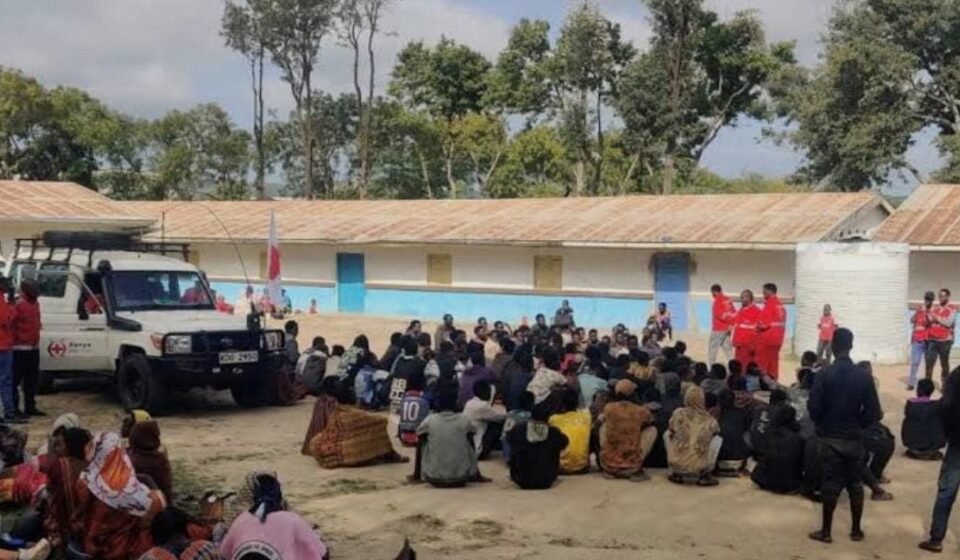

How much pressure can a border town take before its resources run dry? Moyale is facing that question after approximately 40,000 Ethiopians fled unrest in their country and sought refuge in Kenya, raising fears over food, shelter and access to essential services.
The Kenya National Commission on Human Rights (KNCHR) has called for urgent humanitarian assistance after approximately 40,000 people fled unrest in neighbouring Ethiopia and sought refuge in Moyale, Marsabit County.
In a statement issued the commission warned that the growing number of displaced people was putting pressure on local resources, including food, clean water, shelter, sanitation and healthcare.According to KNCHR, more than 15,000 people are reportedly staying in eight temporary shelters, while over 20,000 others have found accommodation with relatives and friends.
Some of the reported shelter locations include St. Mary’s Catholic Church, Harhosha Secondary School, Manyatta Burji, Sessi and Lanzi Mosque Hospital.The commission also raised concerns about the effects of rainfall in the area, warning that poor living conditions and inadequate sanitation could expose displaced families to disease outbreaks.
The situation has also increased the need for emergency medical services, particularly for women and children. KNCHR reported that four women had given birth at two locations, highlighting the urgent need for maternal healthcare and postnatal support.
The commission has urged the national government, Marsabit County Government and humanitarian organisations to coordinate relief efforts and provide essential supplies to affected families.It has also called on Kenyan and Ethiopian authorities to work together to address the circumstances driving the displacement and ensure the safe movement of civilians across the border.
Although the situation was reported to be calm on both sides of the border as of Tuesday morning, KNCHR warned that urgent intervention was necessary to prevent further suffering.The commission stressed that people seeking safety in Kenya are entitled to dignity and legal protection regardless of their nationality or immigration status, while also urging authorities to consider the needs of local communities facing increased pressure on limited resources.