

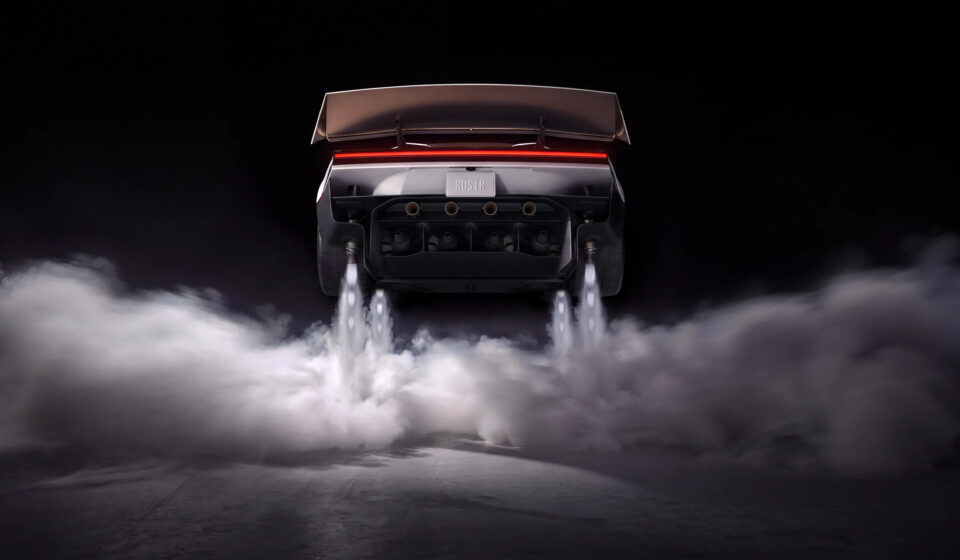

Forget beating traffic on the highway; Elon Musk wants you to believe the next Tesla could take you over it. The long-awaited Tesla Roadster has finally been unveiled with a demonstration featuring mid-air flips and rocket-powered manoeuvres, leaving technology enthusiasts amazed while critics question whether the futuristic spectacle can translate into a practical, road-legal car.
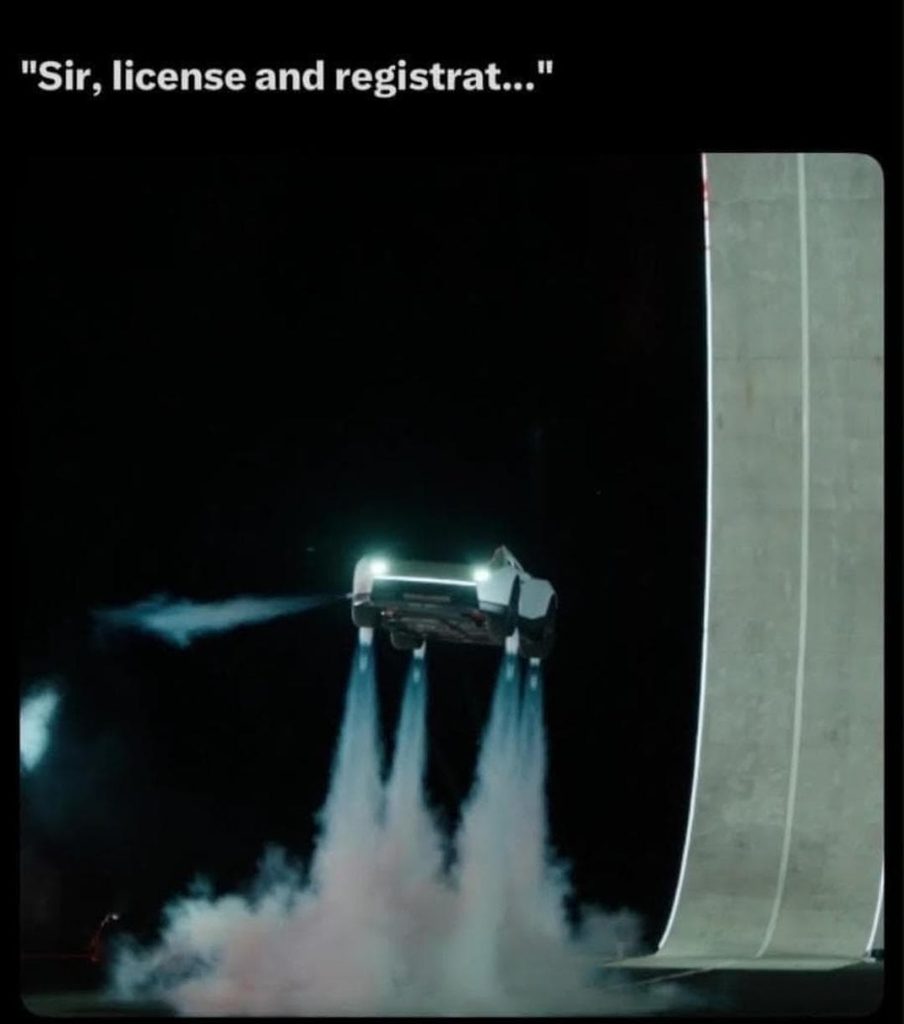
Tesla unveiled its redesigned second-generation Tesla Roadster at an event in Texas, United States, nearly nine years after first announcing the vehicle in 2017. Developed with technology from SpaceX, the electric sports car demonstrated its ability to travel upside down along a specially designed ramp, launch into the air, perform a mid-air flip and land back on the ground using thrusters.
The demonstration, led by Tesla chief executive Elon Musk, showcased a combination of an underside suction system and cold-gas thrusters designed to enable the vehicle’s unusual manoeuvres. Tesla also claimed the Roadster could accelerate from zero to 60 miles per hour in less than a second, although the performance claims have yet to be independently verified.
The unveiling has triggered a mixture of excitement, disbelief, humour and scepticism online. Some social media users celebrated the demonstration as a glimpse into the future of transport, with jokes about finally escaping traffic and memes depicting cars flying over congested highways.
Others questioned whether the technology was practical or simply an elaborate publicity stunt. Automotive YouTuber Marques Brownlee expressed scepticism about the extraordinary performance claims, questioning whether the demonstration and promised specifications were realistic. Meanwhile, Chinese electric vehicle executives William Li of NIO and He Xiaopeng of XPeng also reacted to the spectacle, with Li expressing admiration for the achievement.
Despite the excitement, the Roadster is not about to become an everyday flying car. Tesla has indicated that production is expected to begin in 2028, while the flight-capable Rocket version is being presented as a specialised model rather than a conventional road vehicle. Questions also remain about safety, regulatory approval, affordability and the practical value of its airborne capabilities.
The vehicle is expected to come in three variants: Performance, Thrust and Rocket, with the latter featuring a more extensive thruster system. Tesla has also begun taking reservations, although the company has not provided a guaranteed delivery timeline.
While the demonstration represents an ambitious attempt to combine electric vehicle engineering with aerospace technology, it raises a bigger question: Is Musk reinventing the future of transport, or selling an expensive fantasy to a world desperate for the next big technological breakthrough?