

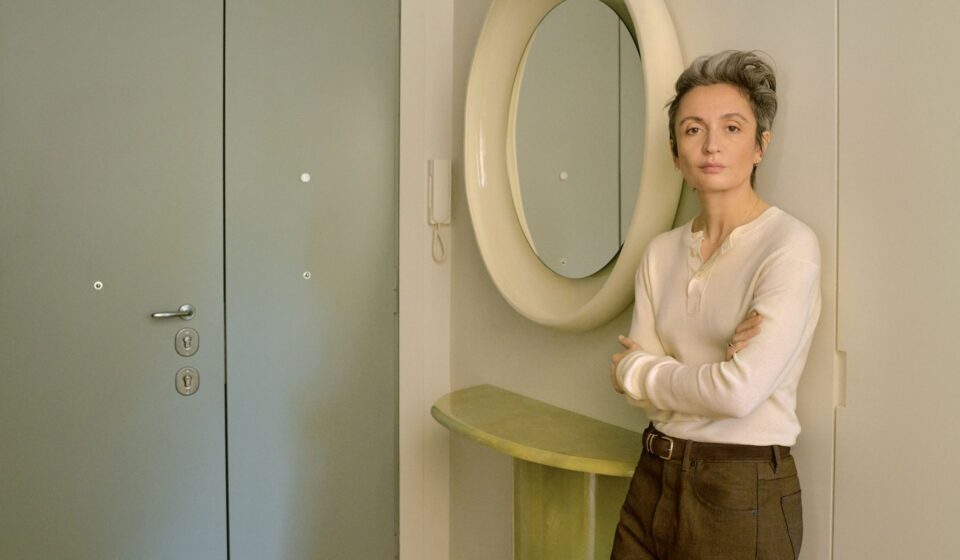

American fashion house Calvin Klein has announced the departure of creative director Veronica Leoni after four seasons at the helm of its luxury fashion line, Calvin Klein Collection. The announcement, made on Thursday, October 15, 2026, marks a new chapter for the fashion brand as it continues to redefine its identity in the competitive global fashion industry.
Leoni, an Italian fashion designer, was appointed creative director in May 2024 with the responsibility of revitalising the brand’s high-end collection and restoring its presence on international runways. Her appointment made her the first woman to lead Calvin Klein Collection, placing her at the centre of the brand’s efforts to reconnect with its fashion heritage while appealing to modern consumers.
Her departure comes approximately two years after she joined the company. Calvin Klein has not yet announced her successor but has indicated that new creative leadership for the collection will be revealed in due course.
In a statement, Calvin Klein’s global brand president, David Savman, thanked Leoni for her contribution, highlighting her creative vision, commitment and partnership with the company. He also emphasised that the Collection line remains an important part of the brand’s long-term strategy.
Leoni’s tenure was particularly significant because she oversaw Calvin Klein’s return to the runway after a seven-year absence. Her debut collection was presented at New York Fashion Week in February 2025, marking the revival of the brand’s high-end runway line, which had been inactive following the departure of former creative director Raf Simons in 2018.
Throughout her time at the fashion house, Leoni sought to reinterpret Calvin Klein’s signature minimalist aesthetic. The approach emphasised clean lines, understated elegance, carefully tailored clothing and simple silhouettes rather than excessive decoration. Her collections featured elements such as structured suits, slip dresses, denim-inspired designs and contemporary eveningwear.
The designer drew inspiration from the brand’s established identity, particularly its reputation for simple, modern designs that became influential in the 1990s. However, her early collections received mixed reactions from fashion critics, some of whom questioned whether her creative direction aligned closely enough with the brand’s recognisable minimalist style.
Her final collection, presented in September 2026 for the Spring/Summer 2027 season, received a more favourable response. The designs included tailored pieces, colourful dresses and streamlined silhouettes, reflecting a more restrained interpretation of the brand’s aesthetic.
Before joining Calvin Klein, Leoni worked with several established fashion labels, including Jil Sander, Céline under Phoebe Philo, Moncler and The Row. She also founded her own fashion label, Quira, which she put on hold after accepting the position at Calvin Klein.
Her departure comes at a time when major fashion houses are reassessing their creative leadership and strategies for remaining relevant in a rapidly changing industry. Creative directors play a significant role in determining a brand’s visual identity, influencing collections, shaping fashion trends and attracting consumers through innovative designs.
For Calvin Klein, the next appointment will be important in determining how the company balances its established reputation for minimalism with the changing preferences of modern fashion consumers.
The brand’s luxury Collection line is positioned as the highest expression of its design identity, while its wider business is widely recognised for denim, underwear, fragrances and accessible contemporary clothing.
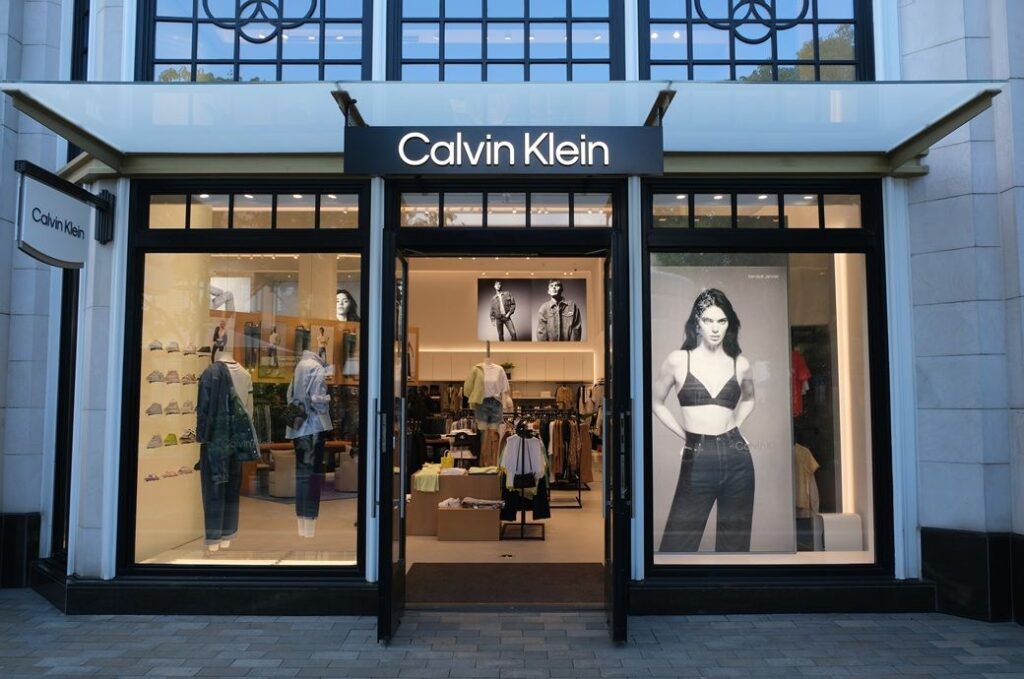
Calvin Klein shop
The company has maintained that Calvin Klein Collection will remain central to its long-term plans despite Leoni’s exit. Attention will now turn to who will succeed her and the direction the new creative leadership will take.
Leoni’s departure also highlights the pressures facing designers at major fashion houses, where creative innovation must be balanced with brand heritage, commercial performance and consumer expectations. Her successor will inherit the challenge of maintaining Calvin Klein’s distinctive identity while ensuring that its collections remain relevant in an increasingly competitive global fashion market.