

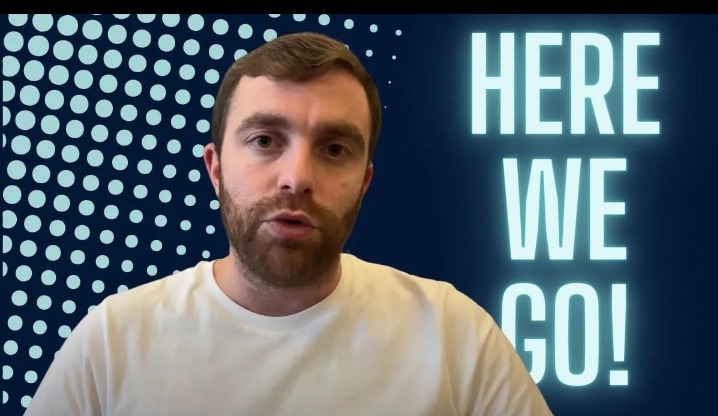

The phone lights up.
Another transfer story is breaking.
Somewhere in Europe, a player is negotiating his future. An agent is making calls. A club executive is waiting for an answer. Supporters are refreshing their screens, desperate to know whether the rumour is real.
Then a familiar name appears Fabrizio Romano.
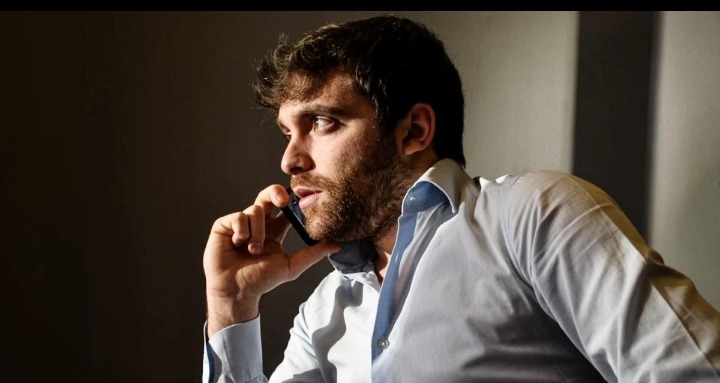
And sometimes, after the calls, the messages and the checks, come the three words football supporters have come to know around the world:
“Here we go.”
For millions of fans, those words mean the waiting is almost over.
A transfer that existed as a rumour has become reality.
But behind those three words is a story that began long before Romano became one of football’s most recognisable journalists.
It began with a boy in Italy who was fascinated by something most football fans only discovered after a transfer was completed
A Boy Obsessed With The Market.
Long before he became known as the man who seems to know everything about football transfers, Romano was simply a young football fan fascinated by them.
Born in Naples in February 1993, he grew up following Italian football and developed an interest in the movement of players between clubs.
His father, Luigi, followed the transfer market closely and read La Gazzetta dello Sport. Romano became fascinated by the major transfers of the era and the mystery surrounding the negotiations that happened away from the pitch.
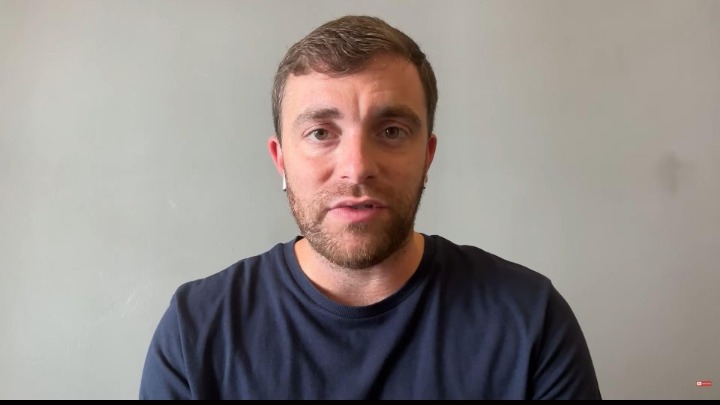
For most supporters, the transfer was the final announcement.
For Romano, the announcement was the beginning of the question.
Who made the call?
Who negotiated the deal?
Which club wanted the player first?
What did the agent say?
Why did the player choose one club over another?
That curiosity slowly turned into an obsession.
And the obsession eventually became a career
The Teenager With A Notebook.
At around 16 or 17, Romano began writing for small Italian football websites.
He was young, unknown and far from the international spotlight.
But he was already doing something that would shape his future.
He was reporting.
One of his early breakthroughs came in 2011, when he reported Mauro Icardi’s move from Barcelona’s youth system to Sampdoria.
It was not yet the world of huge exclusives and millions of followers.
But it was a beginning.
And for Romano, one story created the appetite for the next one.
Milan: His Real Journalism School.
At 18, Romano moved to Milan to study Communication Sciences.
The classroom taught him about communication.
Football taught him about journalism.
He began working with Gianluca Di Marzio, the respected Italian transfer journalist who would become an important influence on his career.
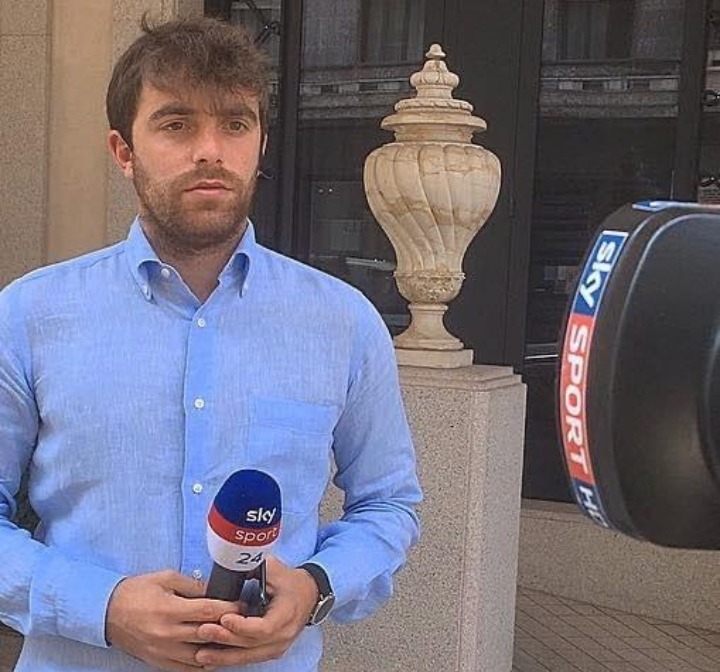
Romano has described the experience as being like a university of journalism.
But this was not a university where the lessons ended when the lecturer left the room.
The lessons continued in hotels, Restaurants, Football offices, Telephone conversations and Late-night meetings.
Romano spent long periods around Milan during transfer windows, searching for people who knew what was happening.
He learned that the transfer market had its own language.
A “possible move” was not the same as an agreement.
An agreement was not the same as a signed contract.
A medical could still fail.
A player could still change his mind.
And one phone call could change everything.
The Power Of Knowing People.
Romano’s most important asset was never simply his ability to write.
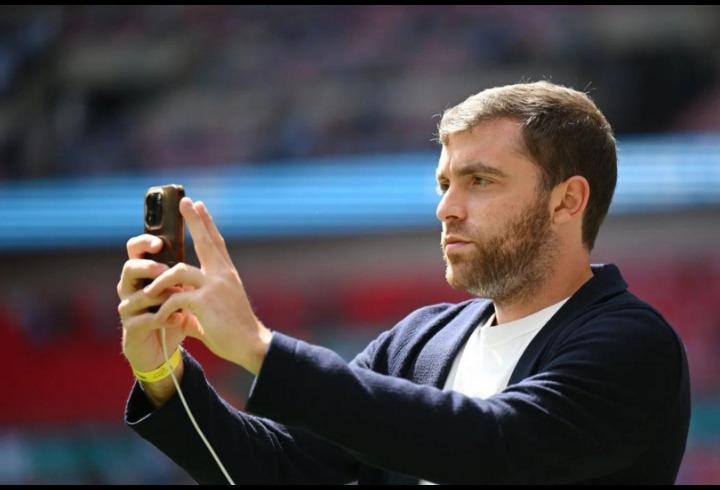
It was his ability to develop relationships.
Transfer journalism is built around information that is often private.
Clubs do not always announce negotiations.
Agents do not always speak publicly.
Players do not always reveal their decisions.
Someone has to know what is happening.
Romano spent years building a network of people connected to the game.
That network eventually stretched far beyond Italy.
It became the invisible structure behind the visible tweets.
The public saw the headline.
Romano saw the phone calls that produced it.
THEN CAME THREE WORDS
Somewhere along the journey, Romano began using a phrase that would eventually become his trademark.
“Here we go.”
It was not originally a carefully designed slogan.
It emerged naturally as a way of telling supporters that a transfer was effectively done.
Then something unexpected happened.
Fans began waiting for it.
They wanted the phrase.
They began associating it with Romano.
And gradually, “Here we go” became more than a sentence.
It became a symbol.
In a football world flooded with rumours, it offered supporters a moment of certainty.
There was the rumour.
There was the negotiation.
And then there was:
Here we go
When The World Started Listening.
The 2021 summer transfer window was extraordinary.
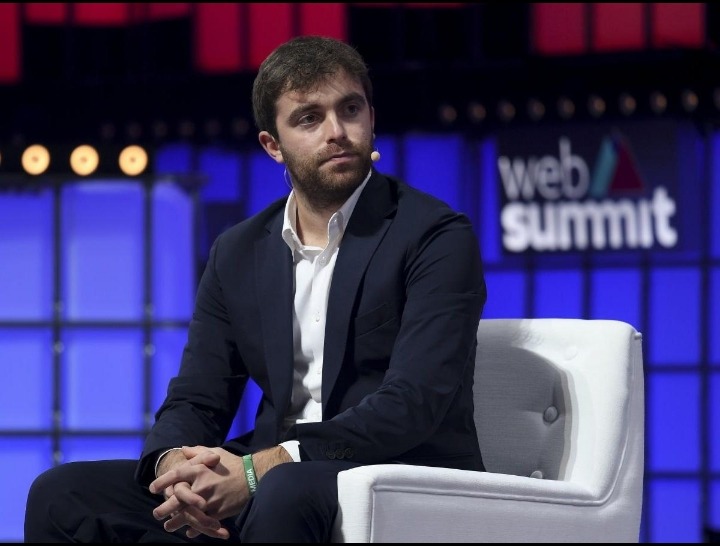
Lionel Messi left Barcelona for Paris Saint-Germain.
Cristiano Ronaldo returned to Manchester United.
Jadon Sancho moved to Old Trafford.
Raphaël Varane followed.
Jack Grealish joined Manchester City.
Romelu Lukaku returned to Chelsea.
Sergio Ramos moved to Paris Saint-Germain.
Transfer news was no longer something supporters waited to read in the next morning’s newspaper.
It was happening live on their phones.
And Romano was at the centre of that new experience.
The Ronaldo Night.
Then came Cristiano Ronaldo.
The Portuguese superstar’s future appeared to be moving towards Manchester City.
But football transfers have a habit of changing direction when nobody expects it.
Manchester United entered the race.
Suddenly, the club Ronaldo had left in 2009 was attempting to bring him home.
Romano reported the dramatic development to an enormous online audience.
According to the Columbia Journalism Review, nearly 100,000 people were watching his live stream when he announced Ronaldo’s return to Manchester United.
And then came those words.
“Here we go.”
For many supporters, it was not simply breaking news.
It was a moment.
A journalist was delivering one of football’s biggest stories directly to fans around the world.
No television studio was required.
No newspaper deadline.
Just a reporter, his sources, his phone and an audience waiting
What The Camera Doesn’t Show.
The glamour of breaking news hides the difficult part.
A transfer update may take five seconds to read.
The reporting behind it can take hours.
Romano has described working extremely long days during transfer periods, with FourFourTwo reporting his description of working as much as 20 hours a day.
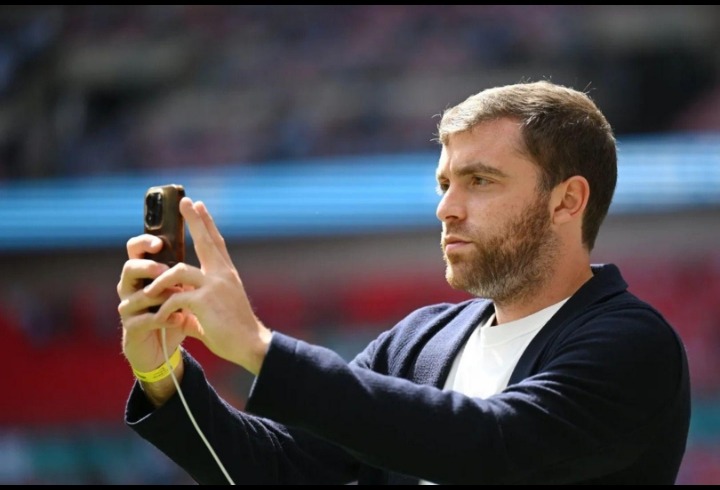
While supporters sleep, the transfer market continues.
An agent can call.
A club can change its offer.
A player can make a decision.
A negotiation can collapse.
The journalist has to keep up.
The phone that brings the story to millions is also the phone that keeps the journalist awake.
When You Have To Stand By Your Story.
Breaking news is exciting until someone tells you that you are wrong.
Romano experienced that during the Marc Cucurella transfer from Brighton to Chelsea.
He reported that the transfer was happening.
Brighton publicly disputed the report.
For a journalist whose reputation depended on transfer information, it was an uncomfortable moment.

But Romano stood by his reporting.
Two days later, the transfer was confirmed.
The episode demonstrated the risk behind the headlines.
A journalist can be celebrated for being first.
But the same journalist can be criticised when the information is challenged.
That is the price of working in a business where millions of people are watching.
The Night Bayern Changed Managers.
In March 2023, Romano produced another major story.
He reported that Bayern Munich were preparing to part ways with Julian Nagelsmann and appoint Thomas Tuchel.
It was a huge claim.
Nagelsmann was still Bayern’s manager.
Romano knew the story needed careful checking.
He made further calls to confirm the information.
The report proved correct.
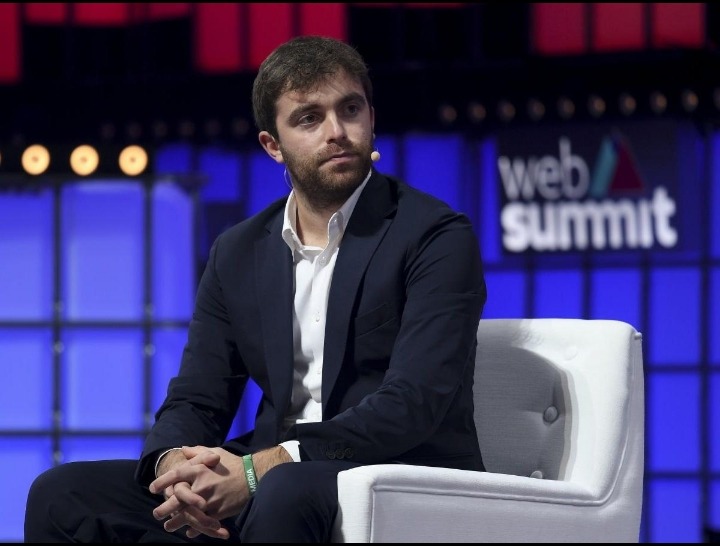
It was another reminder that his job was not simply to hear information.
It was to decide whether that information was reliable enough to publish.
That is the difference between a rumour and journalism.
The Reporter Becomes The Brand.
Romano’s rise also tells the story of modern sports journalism.
Once, fans primarily followed newspapers, radio stations and television networks.
Today, they can follow the journalist directly.
Romano became his own publishing platform.
His work has appeared through organisations including Sky Sport Italia and The Guardian, while CBS Sports lists him as its Soccer Insider specialising in global football transfers.

His social-media presence allowed him to reach supporters directly.
But technology alone cannot explain his success.
A phone can distribute information.
It cannot build trust.
That still requires people.
The Lessons Behind The Success.
For young sports journalists, Romano’s career offers a lesson that goes beyond football transfers.
Find your area.
Romano found transfers.
Know it deeply.
He spent years understanding the people and processes behind deals.
Build relationships.
His sources became the foundation of his reporting.
Verify information.
Speed means little if the story is wrong.
Develop your own voice.
For Romano, that voice became instantly recognisable.
And perhaps most importantly:
Do the work before chasing the fame.
Before millions of followers came the small websites.
Before the global exclusives came the long days in Milan.
Before “Here we go” became famous came years of learning what those words should mean.
From Naples To The World.
There is something remarkable about the distance between where Romano started and where he is today.
A boy in Naples became fascinated by football transfers.
A teenager began writing about them.
An 18-year-old arrived in Milan.
He found mentors.
He found sources.
He found a speciality.
Then he found an audience.
The audience kept growing.
And eventually, the world began waiting for him to speak.
That is why the story of Fabrizio Romano is bigger than a catchphrase.
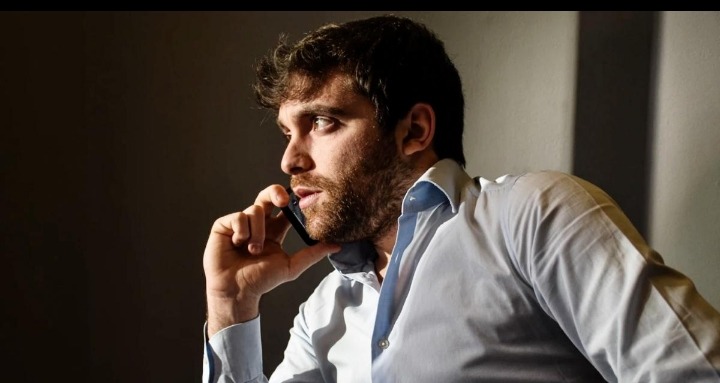
It is the story of how curiosity became journalism, how journalism became expertise, and how expertise became a global digital voice.
When the next transfer breaks, millions of supporters will probably do what they have learned to do.
They will check their phones.
They will look for Romano’s name.
And they will wait for those three familiar words.
Here we go.